THE BETTER
A Shared Activity Binder: Consent Before Organization
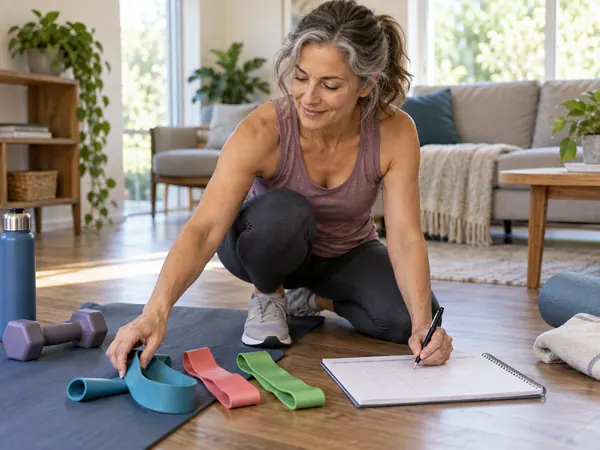
Organize a shared activity binder with clear consent, separate personal notes and useful reference pages. Keep the person using it involved in every decision.
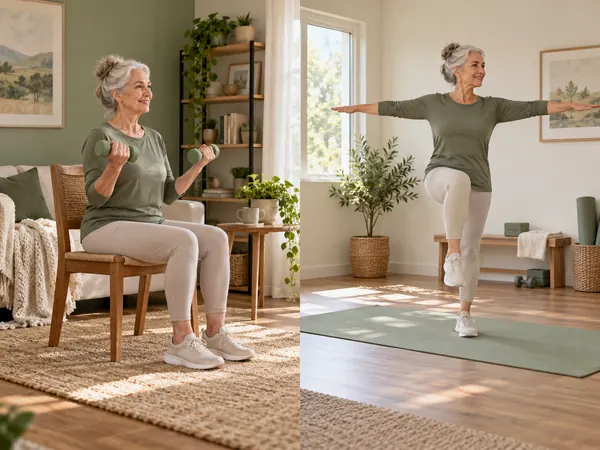
Read guide ↗A useful home routine begins with clear instructions and a space that suits the movement. Read about chair-based options, the differences between seated and standing formats, and how to plan strength work around real life.
Explore 20 guides ↓These articles help you ask what support and space a chart assumes before you use it. If you are new to a movement or have a health concern, get individual advice rather than treating a printable as a personal prescription.
Organize a shared activity binder with clear consent, separate personal notes and useful reference pages. Keep the person using it involved in every decision.
Read guide ↗Review sit-to-stand workbook previews for clear instructions, support assumptions and useful questions before discussing individual suitability with a professional.
Read guide ↗Inspect foot and ankle workbook diagrams, legends and file details before buying. Separate readable reference material from treatment claims and personal advice.
Read guide ↗Read isometric workbook terms, diagrams and timing fields carefully. Identify unanswered questions without turning a generic printable into a personal prescription.
Read guide ↗Improve the way senior exercise references are labeled, placed and read. Test a small set of pages with the reader instead of building a complicated filing system.
Read guide ↗Create setup notes for chair exercise references without confusing observations with recommendations. Identify equipment, guidance sources and unresolved questions.
Read guide ↗Prepare a clear printable resource packet for a senior community coordinator. Check sharing permissions, file contents and the boundaries of individual guidance.
Read guide ↗Compare chair workout bonus planners by their purpose, unique page designs and delivered editions. Understand what a bundle count includes before purchasing.
Read guide ↗Check a dumbbell workout printable for readable instructions, connected diagrams, equipment details and unanswered questions before choosing a reference.
Read guide ↗Keep instructor-provided kettlebell session files connected to their dates, exact entry names and equipment notation when transferring them to your record.
Read guide ↗Check resistance band workbook previews for equipment descriptions, readable attachment notes and label meanings before treating colors as a shared standard.
Read guide ↗Build a Pilates page crosswalk using exact titles, source editions and confirmed note references without assuming similar exercise names mean the same thing.
Read guide ↗Prepare a strength review using dated records, source labels and specific questions so an instructor can inspect your notes without exaggerated conclusions.
Read guide ↗Use explicit left and right labels in an established workout log, preserve instruction changes and prevent blanks or shorthand from becoming misleading totals.
Read guide ↗Turn unclear exercise illustrations into specific coaching questions with page references, source details and a tidy record of the explanations you receive.
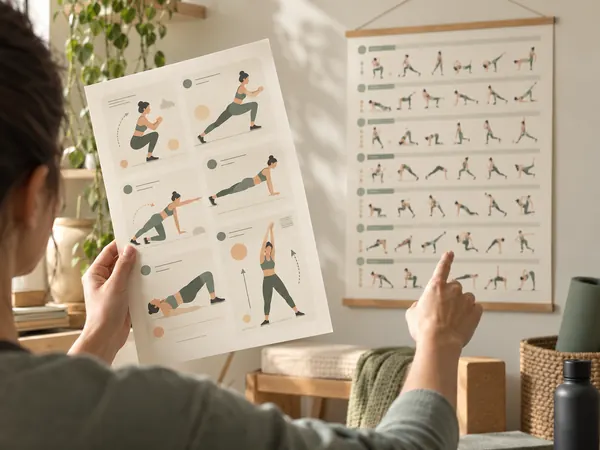
Read guide ↗Choose a readable workout poster display angle, preserve captions and plan a convenient pause to consult the reference without treating it as full instruction.
Read guide ↗A practical guide to setting up a comfortable chair exercise space, choosing a manageable first session and tracking what you actually do.
Read guide ↗Compare seated and standing workout printables by space, support, movement goals and instruction quality rather than by the cover image.
Read guide ↗Practical setup ideas for using chair, balance and mobility printables safely in a limited space.
Read guide ↗Understand how to plan strength activity, inspect exercise charts and avoid treating a generic printable as individual medical advice.
Read guide ↗