THE BETTER
Strength printables can make a routine visible, but the diagram alone does not choose resistance, technique or recovery for a particular person. A useful plan begins with understanding the exercise and allowing room for individual needs.

Recognize the different parts of the plan
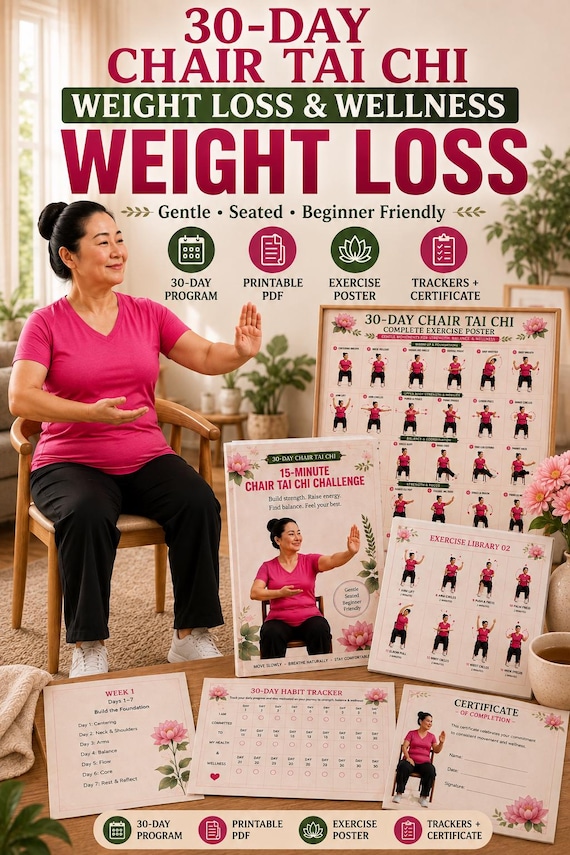
An illustrated strength chart shows positions or movement names. A calendar tells you when a session is planned. A tracker records whether you used the plan. None of those pages can watch your form or tell you how much weight is appropriate.
Before following a chart, look for legible starting positions, movement directions and any equipment shown. A photograph of dumbbells in a mockup does not necessarily mean the download includes a specific equipment program. Read the listing's contents.
Fit the routine into the bigger week
The CDC recommends that adults include muscle-strengthening activity on at least two days each week, alongside aerobic activity. The guidance does not mean every printable with a two-day layout is suitable for all readers. A realistic schedule accounts for recovery, time and any professional instructions.
If a chart suggests a fixed sequence but you have limited equipment or mobility, choose a suitable alternative with individual guidance rather than improvising a movement you do not understand. A planner is easy to revise; your body is not required to match its boxes.

Measure usefulness without promising results
A good strength resource may help you remember what was planned and record questions, even if it does not show a dramatic before-and-after. Consider whether the instructions remain readable on the wall or phone and whether the progression is explained.
For people with chronic conditions, the National Institute on Aging advises discussing activity adjustments with a health professional. Use that conversation to decide what role a general printable can play. It can organize information; it cannot replace supervision when supervision is needed.
Start with what you can repeat
A realistic plan starts with available time, suitable movements and any advice you already follow. Write down when you could practice without displacing commitments or recovery. A printed calendar should reflect that schedule rather than dictate a daily promise.
Public activity guidance includes muscle-strengthening activity for adults and describes additional balance work for older adults. Those are broad recommendations. They do not tell an individual which exercise, weight or progression is right for a particular condition or injury.
If you are new to strength work or have a health concern, consider guidance from a qualified professional. A chart may help you remember an approved sequence, but it cannot watch form, choose resistance or evaluate a symptom.

Choose a clear reference
Inspect the exercise page for a readable starting position, movement direction and support information. A chart showing only an attractive end pose can be difficult to follow. Seek a demonstration or instruction when the movement is unfamiliar.
Consider where you will view it. A poster across a room needs large labels; a phone PDF can be zoomed but may hide the overall order. A short printed reference near your workspace can reduce the need to scroll between sets.
Write a simple note beside the plan with the source of any individual instructions you received. That helps distinguish a clinician's guidance from general ideas on a downloadable page. Do not copy a suggested progression from marketing into a personalized plan without checking suitability.
Make room for recovery and change
A calendar with a box every day does not mean each day should repeat the same strength session. Include rest and other activities in the schedule. The exact pattern should suit your circumstances and professional advice where relevant.
If you miss a day, review what made the plan difficult. Was the time slot unrealistic, the equipment unavailable or the instruction unclear? Adjust one detail rather than restarting a month-long chart every time life interrupts.
Notice changes that require a conversation with a professional, especially unusual pain or symptoms. Do not use a tracker to diagnose them. A written note can help you describe what happened and which page you were following.
Measure usefulness beyond checkmarks
At the end of a week, look at whether you could find the right page and understand each movement. Those usability questions matter before a long list of completed boxes. A printable that creates confusion needs a better instruction source.
Record only information you will revisit: the session date, the reference page and a brief practical note. You need not share personal health details with an online seller to use a printable. Store notes where you are comfortable keeping them.
A sustainable strength routine is shaped by your body, schedule and feedback over time. The page can organize a routine and make it easier to review, while personal decisions about safe progression deserve qualified advice.
An example planning conversation
Imagine you have a printable with six illustrated movements and a seven-day calendar. Before marking any day, ask which movements you already know, what equipment each requires and whether any personal guidance affects them. A chart with six pictures is not a requirement to perform all six. You might need instruction on one movement before it belongs in the plan.
Next consider the real week: appointments, time for setup and recovery, and other activities you enjoy. Put a brief, understandable reference to the agreed routine on the calendar rather than a vague word like workout. After the week, review usability as well as completion. Could you read the instructions? Did the time slot work? What should be discussed with a qualified person? Those answers make the next plan more realistic than simply filling every box.
Some people prefer a wall chart while others want a small folder. Choose the format that lets you read a step while paused. Note a question as soon as it appears rather than trying to remember it at the end. If the chart includes a suggested schedule, separate that suggestion from your own routine and any individualized advice. Printing a calendar does not commit you to its implied frequency.
Separate planning questions from questions about exercise suitability. Your planner can tell you when a session fits your day and where you will record it. A qualified professional can address restrictions, technique or equipment choices relevant to your circumstances. Write those answers in their appropriate place instead of asking a generic calendar to supply them. A clear plan should leave room for the individual guidance you receive.
Choose a clear chart and realistic schedule, with individualized advice when equipment, symptoms or conditions require it.
Further reading
These public resources provide context for the general activity or symptom guidance mentioned above.
Written for general information by The Better Plans. Exercise and wellness content cannot diagnose a condition or replace individual professional advice. The Better Plans also sells digital products on Etsy, but this article is free to read and requires no purchase. Read our editorial policy or send a correction.