THE BETTER
A walking challenge is appealing because it turns a broad goal into a visible plan. But a numbered tracker can also encourage comparison with a target that may not suit a particular day. Use the page as a tool for noticing and planning.
Choose what to record
A useful record might include the route, approximate time, whether the path felt comfortable and any question for next time. Not everyone needs a step count. If you do track steps, consider whether the number helps you make a practical decision or simply creates pressure.
Think about the environment too: shade, uneven pavement, traffic and weather can change a walk. A short note about those conditions may be more valuable than a bare check mark when you decide what to try again.
Make the challenge adjustable
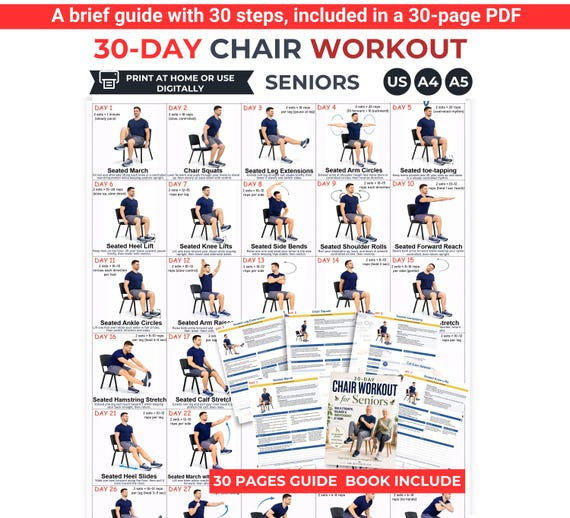
Read a thirty-day or four-week layout before filling it. Are the boxes blank, or are fixed distances and times already printed? A blank tracker gives you more room to adapt. A pre-filled schedule can still be useful if you understand that a printed target is generic.
When you miss a day, write what happened or move on. A challenge does not stop being useful because the dates are not consecutive. If you need help deciding what amount of walking suits a condition or recovery period, discuss it with an appropriate professional.

Use the record to plan the next week
After several entries, look for ordinary patterns. Was a familiar route easier to repeat? Did a shorter time window make it possible to get out? Could a paper chart placed near the door make the plan easier to remember? Those observations can shape a realistic next week.
The CDC notes that adults can spread activity throughout the week and that some activity is better than none. That broad principle is more helpful than judging every walk against a perfect-looking printable calendar.
Choose an observation that matters to you
A walking tracker does not have to revolve around a step total. You could record the route, the time of day, whether you walked with someone or a note about the weather. A person managing a changing schedule may find these details more useful than a single target repeated across every date.
Before filling boxes, decide why you want the record. Perhaps you are looking for a convenient slot in the week or want to remember which route felt enjoyable. Write that purpose at the top of the sheet. When a tracker has a clear job, missing one entry no longer looks like failure.
If you use an activity device, its readings are estimates and may differ from one device or day to another. A handwritten note about what you actually did can complement a number. Avoid comparing your record to another person's because the route, pace, health and circumstances can differ substantially.

Give rest and interruptions a place
Leave room for a rest day, bad weather or a change of plan. You can write rest, travel or another activity instead of forcing a blank square into an artificial streak. An honest log makes it easier to spot what is practical for your life.
A challenge calendar may label days consecutively. That format does not mean the routine must happen every day. If you miss an intended walk, continue with the next available opportunity. Rewriting the whole calendar to hide a gap removes the information you were trying to collect.
General public guidance encourages adults to be active and notes that activity can be accumulated. It does not mean a printable challenge is an individual prescription. If pain, dizziness or a health condition affects walking, discuss your circumstances with an appropriate clinician before following a plan.
Design a prompt that helps you start
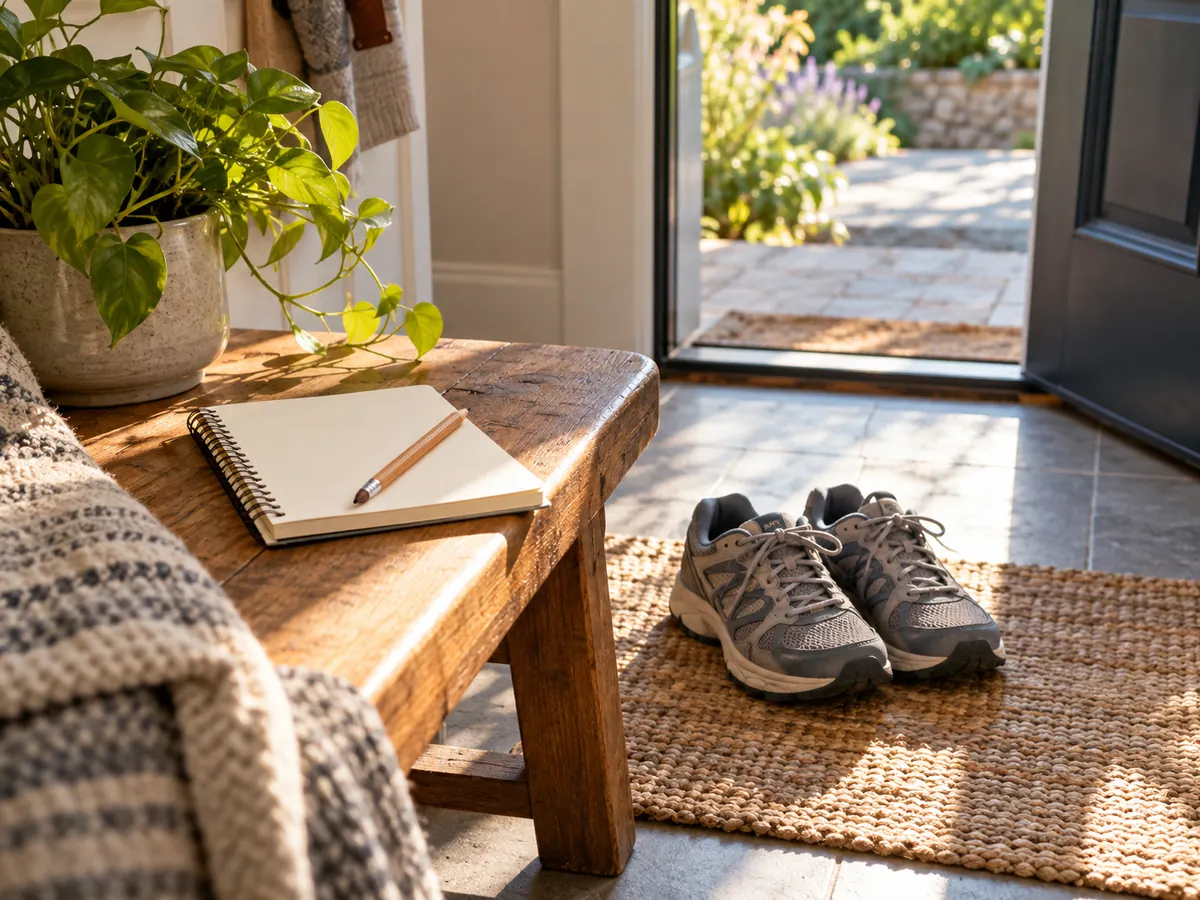
A useful calendar can include a simple cue: shoes by the door, a favored route or an agreed meeting time. The cue should be specific enough to use when the day is busy. A motivational slogan alone rarely tells you where to begin.
Consider a short option as well as a longer one. If your available time changes, a brief walk may still be a meaningful entry. You do not need to convert a short session into a larger claimed total to make the tracker look impressive.
At the end of the week, look for practical patterns. Was a particular time easier? Did an accessible route reduce friction? Those observations can guide the following week. The page is valuable because it helps you adjust, not because it shows an unbroken row of marks.
Read a printable challenge critically
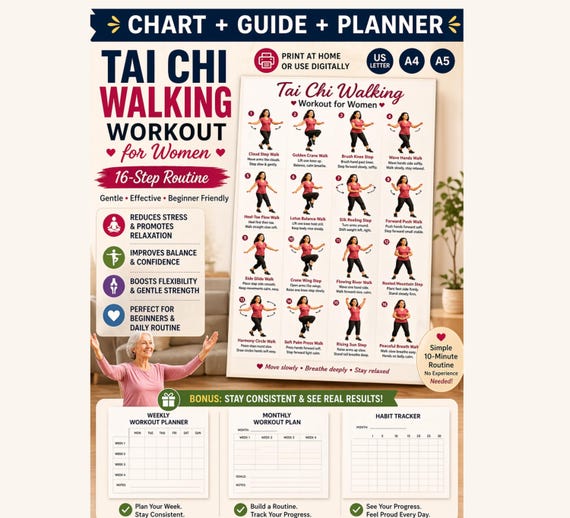
Check that the downloaded page includes space for a date, a note and an alternative to a fixed step goal if you need them. A preview should show real page details rather than only a cover mockup. Print a sample and check whether the writing lines are large enough.
A product description may call a calendar a 28-day transformation. Treat that phrase as marketing rather than a promised outcome. No blank calendar can guarantee fitness or health changes. The practical value is the small structure it provides for recording what you did.
Keep the challenge alongside other activities you enjoy instead of letting the boxes define your entire week. Your record can celebrate a good route, companionship or consistency on the days that worked. Use it to understand your routine and make sensible changes.
A sample entry that does not need a number
A useful entry might read: Thursday, park route, walked with a friend, rain started near the end. It tells you where, when and in what setting you walked without pretending that the page measured health. Another entry might be rest after travel. Both describe the week honestly. If you prefer numbers, add them as optional context rather than a pass-or-fail score.
Review several entries together. Perhaps a familiar route or a walking partner made it easier to start. Perhaps the weather made an indoor alternative sensible. Those are decisions your calendar can support. It cannot decide how much activity is appropriate for a medical condition. Follow personalized guidance where relevant and use the tracker to remember the practical circumstances surrounding your choices.
Choose a small set of fields you can fill in honestly: date, route or location, what you intended to do and what actually happened. Leave a blank field blank when you did not record it. Guessing a number later makes the log less useful for planning. A short written observation can explain a change of route or timing without turning the tracker into a numerical test.
Track context and consistency that help you plan, not just numbers you feel compelled to beat.
Further reading
These public resources provide context for the general activity or symptom guidance mentioned above.
Written for general information by The Better Plans. Exercise and wellness content cannot diagnose a condition or replace individual professional advice. The Better Plans also sells digital products on Etsy, but this article is free to read and requires no purchase. Read our editorial policy or send a correction.