THE BETTER
A workout workbook becomes a different object when its pages have fronts and backs. A chart that worked well as a loose sheet may become inconvenient opposite a notes page, and a narrow inside margin can disappear into a binding. Duplex printing is therefore a page-planning job before it is a printer-setting job. You can make a useful booklet without specialist equipment if you first decide how the pages will be consulted, which sheets need writing space and whether the finished workbook should open flat. This guide focuses on those choices, with a simple test sequence that avoids using a whole pack of paper on a mistaken layout.

Decide what belongs on a facing spread
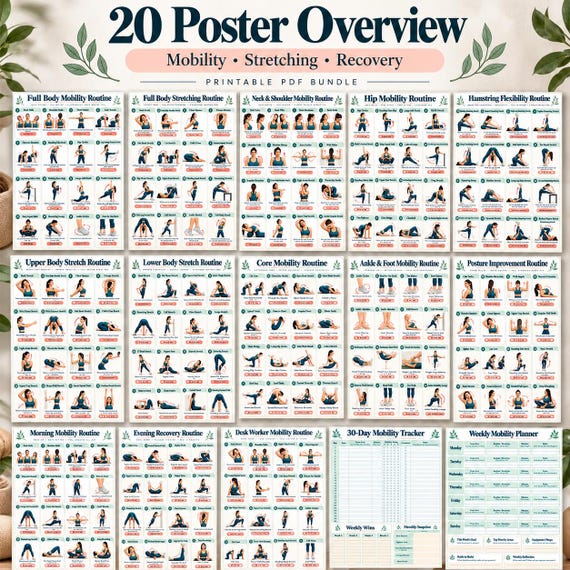
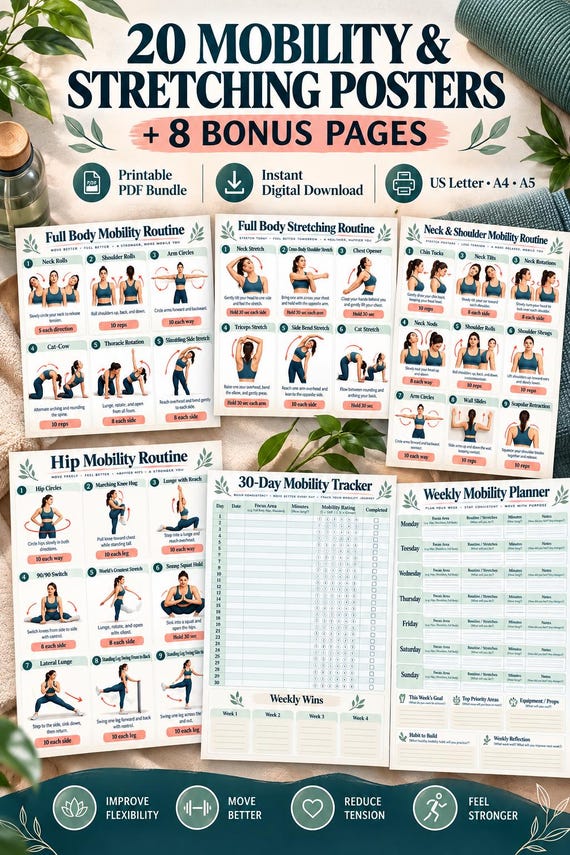
Open the PDF and list its page roles: cover, contents, movement reference, weekly planner, notes and any printing instructions. Do not assume that the existing sequence was designed for two-sided printing. It may be intended for separate posters. A reference chart and its matching log might work well together, while two dense illustration pages could make it difficult to keep one visible as you turn the other.
Sketch four numbered rectangles on scrap paper to represent two open spreads. Write the proposed page title in each rectangle. This reveals whether a new section starts halfway through a spread or whether an instruction is separated from its explanation. Keep the original PDF intact and plan from a copy or a written print list. A physical workbook needs useful relationships between pages, rather than just the smallest possible sheet count.
Choose between ordinary duplex and booklet folding
Printing on both sides of a full sheet and folding sheets into a booklet are separate arrangements. Ordinary duplex pages can remain in their usual numerical order in a binder. A folded booklet needs an imposed order so that the numbers appear correctly after folding. Do not manually pair the first and second PDF pages on one spread and expect a folded booklet to emerge in sequence.
Choose a full-size binder for pages you want to remove, replace or annotate often. Consider a folded booklet only if the file and print workflow support that format and the final text remains readable. If a print service is doing the work, ask it to explain the proposed finished size and page order. Make a paper dummy with numbered sides before committing; a small folded sample is more revealing than a screen preview alone.

Check the inside margin and writing space
The binding edge takes up physical space. Rings, punched holes, clips or a glued spine can cover text that looked comfortably distant from the digital page edge. Inspect the innermost exercise labels and the first column of every tracker. A planner with tiny date boxes might technically fit the paper while becoming awkward to write in beside a ring mechanism.
Print one dense page and one writing page, then place them in the proposed binding. Write an ordinary date and a short note in the actual boxes. If your hand hits the rings or the binding hides a cue, change the binding method or choose a layout with more usable margin. Avoid stretching the artwork to compensate, because that can distort illustrations. A larger sheet is not automatically a better answer if it makes the finished workbook difficult to handle.
Test the direction of the reverse side
Print controls may offer different ways to turn the reverse side. The right choice depends on the orientation of the document and how you want to turn a physical page. Rather than relying on a remembered setting name, print a two-page sample containing obvious headings. Turn it like the intended workbook and check whether both sides stay upright.
For a manual two-sided process, mark one corner of a spare sheet and observe which side receives the first print. Then follow the printer's own instructions for reloading. Keep that marked sheet as a reference for this job. Paper trays and feed paths differ, so advice for someone else's printer may be wrong for yours. Confirm the test with the actual document before printing multiple copies, especially if the file includes both portrait and landscape pages.
Make deliberate choices about blank backs
Blank pages are not necessarily waste. A chart that will be removed and displayed may benefit from a blank reverse. A notes page beside a complicated reference can also be useful. Decide whether blank backs are intentional and note them in the print plan, otherwise you may mistake a planned blank for a missing page after binding.
If writing shows through the paper, printing a busy chart behind the log can make both sides less comfortable to use. Test with the pen and paper you expect to use, and let any ink dry before examining the reverse. You might keep illustrations two-sided but give active logs a blank back. Separating the reference section from the writing section often produces a more practical workbook than forcing every page into the same duplex rule.
Assemble a small working prototype
Build a six- or eight-page trial with the cover, one reference spread, a tracker and a notes page. Use the intended holes, clips or binding. Open it on the table where you will consult it and turn the pages several times. Check whether it stays open, whether the contents list matches the actual order and whether you can remove a frequently used chart without dismantling everything.
The prototype also reveals whether a protective sleeve helps or interferes. Sleeves can protect charts, but a glossy surface may reflect light and obscure small labels. Test from your actual reading position. Write any assembly corrections on a separate checklist, not on the only clean copy of the PDF. Make one change at a time so that the next test tells you which adjustment improved the finished object.
Keep an assembly record for future replacements
Record the file version, paper size, print range, orientation test and binding choice in a short assembly note. Include which pages intentionally have blank backs. If a log fills up next month, you can print that part again without recreating the entire workbook. Store the note beside the original download rather than depending on memory of the print dialog.
Before a complete print run, count the planned sheets and compare the printed page numbers against the list. Check the first and last page of every section, plus the reverse of the sample sheet. Insert a simple contents page only if it helps you find material; elaborate decoration is unnecessary. The goal is a workbook you can revise easily, where readable instructions and usable writing areas survive the move from a digital file into a bound object.
Choose the page relationships first, test one physical spread and record the successful print setup before assembling the full workout workbook.
Written for general information by The Better Plans. Exercise and wellness content cannot diagnose a condition or replace individual professional advice. The Better Plans also sells digital products on Etsy, but this article is free to read and requires no purchase. Read our editorial policy or send a correction.