THE BETTER
A community coordinator may need to review a printable resource before deciding whether it has a place in an activity setting. Sending a large bundle without explanation makes that review harder. A small, clearly labeled packet can show what the resource contains, how it is intended to be read and which questions remain. This article concerns preparation and communication, not the planning or supervision of exercise sessions. It also does not determine legal permission to distribute a purchased file. Read the actual license and use the coordinator's established procedures. General printables should never be presented as individualized guidance for every participant.

Ask what the coordinator needs to evaluate
Begin with the purpose of the review. Does the coordinator want to inspect the layout, understand the download contents or consider whether a resource might support an existing program? These are different requests. A preview image may be enough for layout discussion, while examining instructions may require access to complete pages and introductory notes. Ask about the preferred format and avoid sending personal records about participants unless there is a specific, appropriate reason and permission. A review packet should reduce the recipient's work, not create an unstructured reading assignment.
Provide a short cover note with the product title, publisher or shop name, intended document role and questions you want answered. Identify whether you own the download, are considering a purchase or are sharing a publicly available preview. This distinction matters for both file access and expectations. Do not describe a product as suitable for the entire community because its listing mentions seniors. The coordinator needs to know what material is being offered and what has not been established, rather than receive a promotional summary.
Read the license before sharing the files
Inspect the terms accompanying the purchase and the listing's usage information. Personal use, classroom use, group use and redistribution may be treated differently by a seller. Do not assume that buying once permits copying for everyone in a community setting. If the wording does not answer the intended use, ask the rights holder for clarification in writing. Describe the specific plan: who would receive copies, whether files would be stored on a shared system and whether printed handouts would be distributed. Clear questions are more useful than asking vaguely whether sharing is okay.
Keep the answer with the purchase record and the packet. This article does not interpret a license or provide legal advice. A coordinator may have their own purchasing or permissions process, and it should remain in place. If distribution permission is absent or unresolved, share a public product link or authorized preview instead of uploading the purchased PDF to a group folder. Technical ability to send a file is separate from permission to do so. A helpful resource packet respects that distinction without pretending that one general rule covers every seller.

Inventory content by its actual role
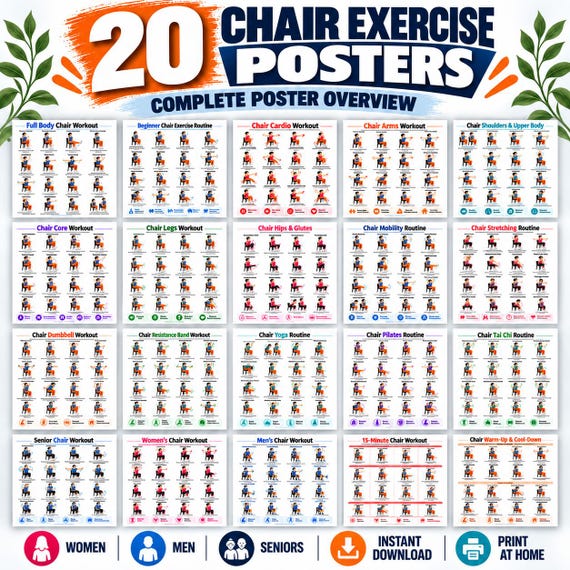
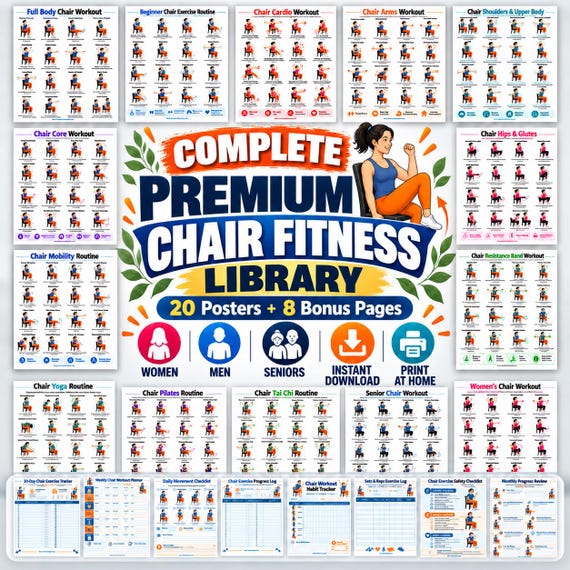
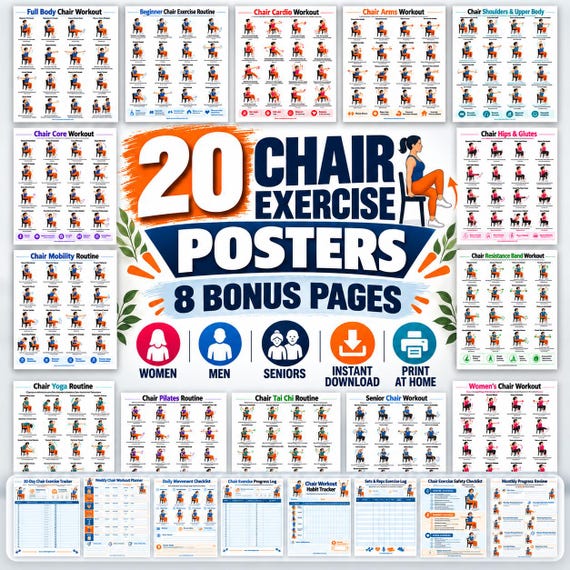
Prepare a brief content list that separates instructional pages, reference posters, blank planners and covers. Include the paper editions and filenames if the coordinator will receive authorized files. A listing advertising many pages may count repeated size editions or front matter, so state what you have actually inspected. For example, identify the number of distinct poster designs separately from the total pages across several PDFs. Do not let a large file count imply a larger range of instruction than is present. Accuracy makes the recipient's review faster.
Explain where essential context appears. If a legend or introduction is needed to interpret the charts, point to it explicitly and keep it in the packet. Do not send only attractive illustrations when text supplies limitations or definitions. Likewise, keep promotional mockups separate from real document pages. A coordinator should be able to tell what a participant would actually read. If a preview is incomplete, mark the limitation rather than using your own explanation to fill the gap. Review materials should reveal the product's scope instead of obscuring it.
Make readability a review question
Provide the intended print edition and ask how it works in the setting where it might be consulted. A poster readable at a desk may not be readable across a room. A booklet may offer more text but require more page handling. The coordinator can assess document convenience through their usual process without treating that assessment as approval of every pictured movement. Identify options such as a larger edition or a complete digital file when those are genuinely supplied, rather than promising custom formats that the product does not contain.
Test a single authorized sample before suggesting a full print run. Check labels, numbering, margins and whether essential text remains visible. Keep the sample's filename and print settings so a successful output can be repeated. Avoid cropping out limitations to make a cleaner handout. If accessible text or another presentation is needed, ask the supplier what is available. Readability is part of usefulness, but it does not resolve individual suitability. The packet can make both issues visible without attempting to settle them through design alone.
Keep individual guidance outside a generic packet
Do not put participant names or personal instructions into a resource sample intended for general review. Those details belong in the relevant established process with appropriate access. State that the packet contains general commercial material and identify any limits described by its author. If the coordinator considers using it, decisions about participation, assistance and individualized guidance remain theirs to address through the appropriate qualified people and procedures. A printable cannot evaluate the varied needs of a community group simply because it is labeled gentle or beginner.
Separate questions about the resource from questions about the planned setting. The seller can answer file, licensing and page-content questions. The coordinator can explain their review and operational requirements. An appropriate professional can address individual activity questions within their role. Listing these categories on the cover note prevents them from collapsing into a single request for universal approval. Avoid promising that a packet will prevent falls, rehabilitate injuries or deliver a particular result. Its immediate function is to present information clearly enough for a responsible review.
Document the outcome of the review accurately
Record what the coordinator actually decided. They may ask for a fuller preview, clarify distribution permission, decline the resource or retain it for further discussion. Do not translate an informal positive comment about appearance into an endorsement of the entire program. Note the scope and date of any decision, and keep the relevant version of the resource identified. If an updated file arrives later, the earlier review may not describe the changed material. This simple record helps prevent assumptions from spreading when a packet is passed between people.
If the resource proceeds through the coordinator's process, keep active files in a clearly labeled location and archive older copies separately. If it does not, remove unnecessary shared copies and retain only what is appropriate under the permission arrangements. A useful packet is not the largest one. It is a modest set of authorized materials with a factual inventory, complete context and questions directed to the right roles. That preparation supports the coordinator's judgment while preserving the boundary between general printable content and guidance for individual participants.
Send an authorized, clearly inventoried packet with complete context. Let the coordinator's procedures and appropriate individual guidance determine any further use.
Written for general information by The Better Plans. Exercise and wellness content cannot diagnose a condition or replace individual professional advice. The Better Plans also sells digital products on Etsy, but this article is free to read and requires no purchase. Read our editorial policy or send a correction.