THE BETTER
A sit-to-stand workbook may contain diagrams, planning pages and explanatory text, but its title cannot tell you whether it suits a particular person. Reading it before making a decision lets you identify the questions that a cover image leaves unanswered. The following process focuses on the document: what it shows, what it assumes and what needs clarification. It deliberately does not teach the movement or prescribe repetitions, timing or progression. Use the preview to prepare an informed discussion, especially when existing advice about mobility, assistance or an individual condition applies. A attractive printable remains general information unless clearly part of an established personal plan.

Identify the actual instructional material
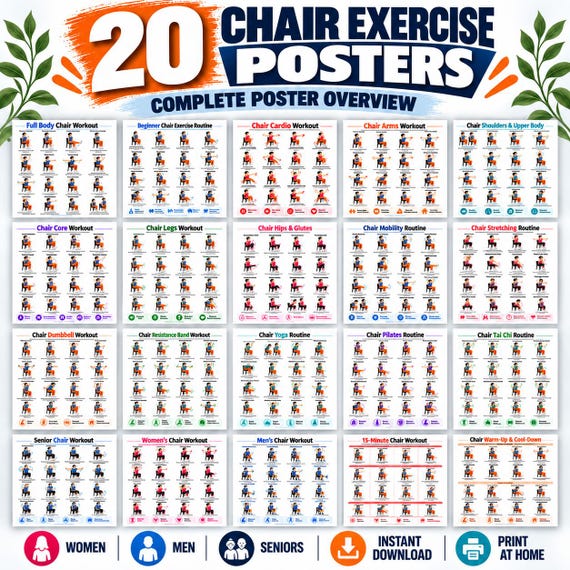
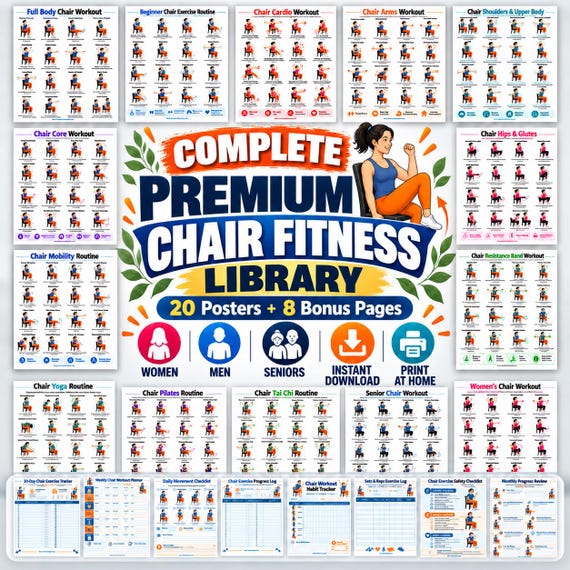
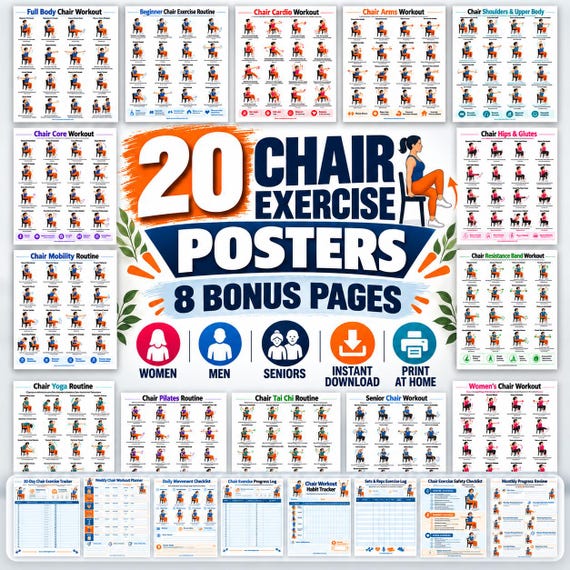
Find a sample of a real workbook page rather than relying on a styled cover photograph. The preview should make clear whether you are looking at instructions, a quick reference, a tracker or an example room scene. Those page types serve different jobs. A chart can remind someone of a movement they already understand; a workbook may provide more explanation. Neither role is proved by a large page count. Write down which kind of help you need before comparing products, so you do not buy a planner while expecting a detailed instructional guide.
Look for the beginning and end of the explanation, including any legend or notes below the pictures. A cropped close-up can look clear while concealing important context. Ask the seller whether the full instruction page can be inspected if it is absent from the gallery. Download previews may be watermarked or reduced in resolution, so distinguish preview quality from the delivered format. Still, you should be able to identify the nature of the material. If every image is decorative, you have insufficient evidence to evaluate its instructional clarity.
List the support assumptions you can see
Inspect the chair and surrounding setting as information, without copying the pictured arrangement. Does the illustration show arms on the chair? Does another person appear? Is a support surface mentioned in the text? Note those details as assumptions to discuss, not recommendations to adopt. A generic picture may omit details that matter for an individual. Write unclear items explicitly, such as The text mentions support, but the preview does not identify what support means. That is a more useful question than asking whether the workbook is suitable for all seniors.
Separate the furniture shown in a mockup from furniture used in an instructional diagram. A beautiful armchair beside a framed poster may be decoration, not part of the movement explanation. Likewise, an uncluttered studio image does not establish the space requirements of every page. If your existing personal guidance specifies equipment or assistance, compare the resource with that guidance only through the appropriate person. Do not substitute a pictured chair for a prescribed setup just because the cover labels the activity beginner or gentle.

Check whether the sequence can be understood on paper
Read the sample without attempting the movement. Can you identify how the numbered images relate to the text? Are arrows defined? Is the direction of the figure consistent between panels? Are important cues placed beside the relevant picture, or scattered over several pages? The aim is to find reading ambiguities before they become practical ones. Make a note when an illustration seems to show two different orientations. Do not resolve the uncertainty by guessing from a familiar-looking movement or another unrelated internet chart.
Consider whether the page is meant to stand alone. Some workbooks require an introduction that explains symbols, terms and limitations. A single sample page may therefore be incomplete rather than wrong. Ask which introductory pages accompany it and whether they are included in the purchased download. Conversely, the existence of an introduction does not guarantee that every action is fully explained. Keep a short list of what the preview demonstrates and what remains unknown. That distinction prevents both unnecessary criticism and unjustified confidence.
Read schedules and trackers as document features
A calendar labeled thirty days can describe a recording period without supplying thirty different routines. Inspect whether dates refer to planned activity, completed activity or a suggested sequence. Look for spaces to record questions and changes. This tells you how the workbook organizes information, but it does not determine an appropriate schedule for you. Avoid treating every printed box as a requirement to perform something. A blank line is an opportunity to record a decision, not evidence that the resource requires a particular frequency.
If numbers appear beside a movement, check their labels and the context provided by the author. A count, a time field and a page number can look similar in a small preview. Do not extract a number and use it as a personal prescription. Ask the relevant professional how any workbook instructions relate to your circumstances. If the document presents a universal schedule without explaining its scope, note that limitation. Your purchasing decision can favor clarity without requiring you to evaluate clinical suitability yourself.
Prepare two different sets of questions
Create a seller list for facts about the download: page count, paper sizes, whether a legend is included, and whether the sample represents the delivered layout. Create a separate suitability list for an appropriate qualified professional. That second list can point to a page and ask about its assumptions in light of existing guidance. Separating the lists avoids asking a seller to assess a health history or asking a clinician to resolve a missing download file. The resource title and page reference should accompany both lists.
For example, a seller question might ask whether the instruction text is larger in the US Letter edition than the preview suggests. A professional question might ask whether the illustrated support arrangement corresponds with advice already given to the individual. Neither question needs a long personal story in a public comment. Share only the information needed with the right recipient. If the material cannot be evaluated from the available sample, the sensible outcome can be to wait for clarification rather than buying first and improvising later.
Decide what the workbook can responsibly contribute
After reviewing the preview, summarize its role in one sentence: a reference for an already understood activity, an organizer for questions, or material that needs more explanation before use. That sentence is more helpful than a broad judgment that the product is good or bad. Keep the resource separate from any professional plan unless its role has been clarified. A printable can be useful without being a complete program. Equally, attractive presentation cannot compensate for unclear diagrams or unsupported promises in the listing.
Retain your question list if you decide to purchase. Inspect the delivered introduction and instruction pages before considering practical use, because the full file may answer some uncertainties and reveal others. Do not use the article or the purchase itself as permission to change an existing routine. When a resource remains ambiguous, return to clarification rather than adding an explanation from memory. The strongest result of this review is a more precise conversation about what the workbook contains, how it is intended to be read and what individualized guidance is still needed.
Inspect the real instructions, record visible assumptions and ask the right person about unresolved questions before treating a sit-to-stand workbook as usable guidance.
Written for general information by The Better Plans. Exercise and wellness content cannot diagnose a condition or replace individual professional advice. The Better Plans also sells digital products on Etsy, but this article is free to read and requires no purchase. Read our editorial policy or send a correction.