THE BETTER
A check mark tells you that you recorded an activity. It does not tell you why a symptom changed or whether an exercise is effective. Keeping that distinction clear makes a tracker more useful and less misleading.
Record what the page can actually know
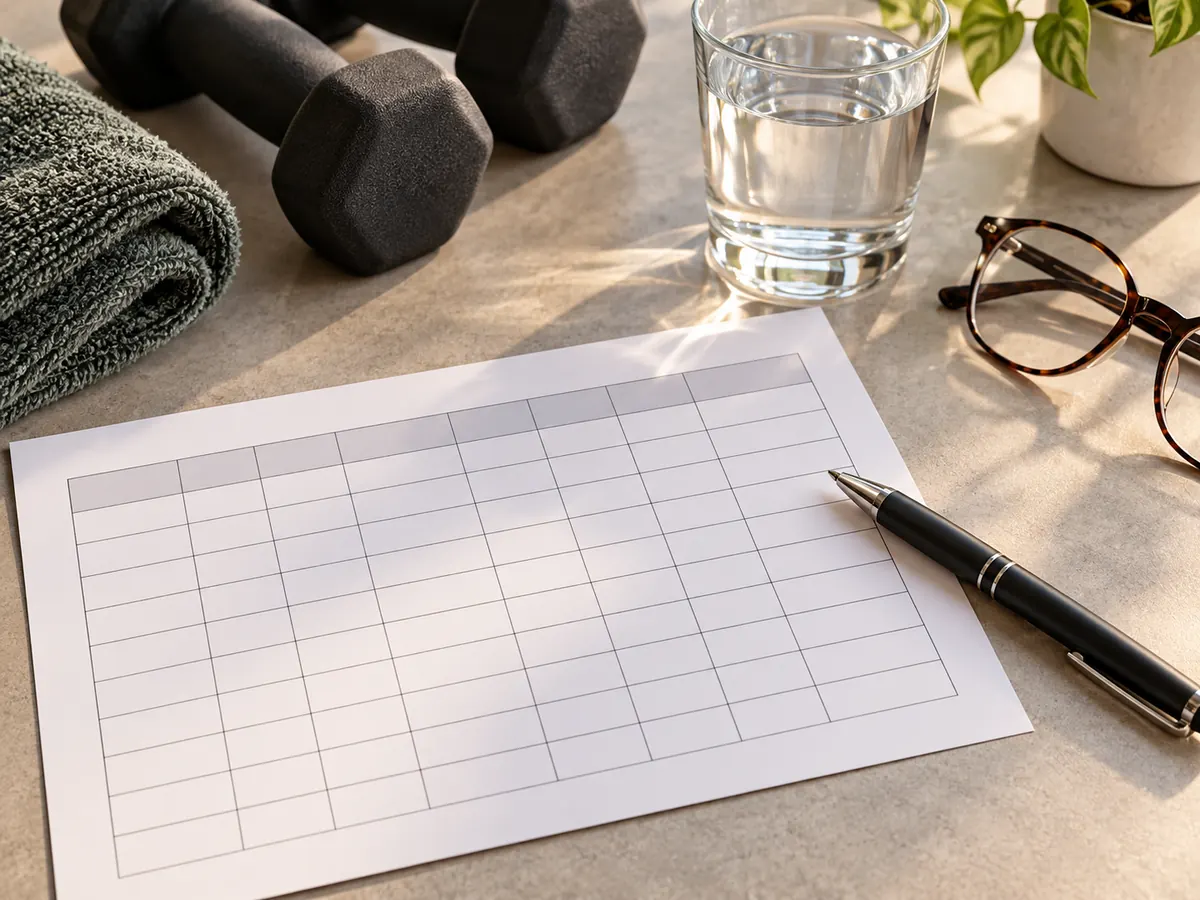
A paper tracker can record dates, time, activity and your own notes. It cannot verify technique, intensity or cause and effect. If you feel better or worse, the note may be helpful to discuss later, but the chart alone cannot identify the reason.
Use plain language rather than turning every observation into a score. For example, wrote question about the second movement may be more actionable than a row of colored stars. If a record is for a clinician, include details they have asked you to track.
Keep health decisions elsewhere
A printable plan cannot determine whether symptoms need urgent attention. A seller can explain a file; a qualified professional can evaluate individual concerns. If an exercise causes concerning pain, dizziness or other symptoms, do not keep going just to complete a streak.
Chronic conditions often call for adjustments. The National Institute on Aging describes ways activity can be adapted with medical guidance. That individualized decision is outside the scope of a generic digital download.

Use trends for practical planning
If you repeatedly skip a planned evening session because the time is inconvenient, try a different slot. If a particular page is unreadable at the chosen size, print it larger. Those are conclusions a personal record can reasonably support.
At the end of a month, keep what helped you organize your routine and discard fields that added pressure without useful information. A tracker should serve your next decision rather than become the goal itself.
Understand what a box can record
A tracker can show that you marked a date or wrote down an activity. It cannot establish why a symptom appeared, whether a movement was performed as intended or whether your fitness improved. The mark is evidence of a note, not a medical test.
Even a detailed log depends on what you chose to write and remember. A step count, time estimate or mood score may help you describe a pattern, but none captures the whole situation. Treat readings from a device as one source of information, not an automatic conclusion.
Use the page to organize questions for yourself or a qualified professional. For example, you might note which chart you were following and when a concern began. The page can make a conversation clearer without pretending to answer the concern.

Avoid misleading interpretations
An unbroken row of completed days does not prove a program was effective. Likewise, a gap does not prove that you failed. Travel, illness, responsibilities and changing priorities all affect a record. Reading the context beside the marks makes it more useful.
Some printable listings imply that the included tracker will reveal progress or treatment outcomes. Ask what is actually measured. A checkbox for a stretch says only that you checked it. It cannot measure healing or establish that the stretch was appropriate for you.
If you are worried about a symptom, use trusted healthcare information and seek appropriate assessment. Do not wait for a calendar pattern to become obvious before asking for help when the situation needs attention.
Write notes you can interpret later
Choose a few plain fields such as date, activity and a brief observation. If you add a rating, define what it means to you and keep the scale consistent. A number without context can look precise while saying very little.
Record the exact page or exercise name if it matters. A note that only says workout may be hard to understand next month. Include the source of individualized advice separately if you have it, so it does not get confused with general suggestions from a PDF.
Keep private health notes in a place you control. A downloadable tracking sheet does not require you to send completed pages to a seller. If you share information with a clinician, bring the portion relevant to your question.
Let the record support better decisions
Review the tracker for practical obstacles: did you struggle to find instructions, choose an inconvenient time or run out of space? Those are questions a printable can help answer directly. You can then adjust the page layout or your routine.
Use professional feedback for medical interpretation and movement suitability. A digital chart is an organizational aid, and its value can be real without presenting it as a diagnostic tool.
The most honest record leaves room for uncertainty. Write a question mark when unsure, add context when plans change and remember that the person behind the page matters more than a perfect grid.
Turn a confusing record into a useful question
Suppose a tracker shows that you exercised on Monday and felt uncomfortable on Tuesday. That sequence of dates alone does not prove the activity caused the feeling. Your notes may be incomplete, and other factors can matter. A more useful record names the activity, approximate timing, what you noticed and any question you want to raise with a professional.
Do not use the page to test a suspected medical explanation on yourself. If a symptom worries you, seek appropriate advice. The tracker can help you report a timeline accurately while leaving interpretation to someone qualified. That boundary protects the value of honest recordkeeping: the page helps you remember, and it does not pretend to know what your body is telling you.
A tracker can still be valuable when used within its limits. Imagine bringing a short, dated activity log to a conversation: it may help you remember what you did and what you want to ask. You need not produce perfect numbers or a continuous streak to have that conversation. If the sheet encourages you to attach a diagnosis to every missed day, change the labels or use a simpler page. A record should support honest observation without making unsupported conclusions feel official.
If you bring a tracker to a healthcare appointment, explain what each mark means and which days have missing entries. A checked box might represent opening a guide, practising one movement or completing your planned session; those are different observations. Include the question you want answered rather than presenting the record as proof of a diagnosis. Honest labels make the conversation clearer without asking the log to establish a medical conclusion.
Track participation and questions; leave medical interpretation to appropriate professionals.
Further reading
These public resources provide context for the general activity or symptom guidance mentioned above.
Written for general information by The Better Plans. Exercise and wellness content cannot diagnose a condition or replace individual professional advice. The Better Plans also sells digital products on Etsy, but this article is free to read and requires no purchase. Read our editorial policy or send a correction.