THE BETTER
A 28-day calendar looks satisfyingly complete on a product image. In practice, work, travel, rest and health needs can change any week. A good calendar can organize decisions while leaving those realities intact.

Read the calendar before day one
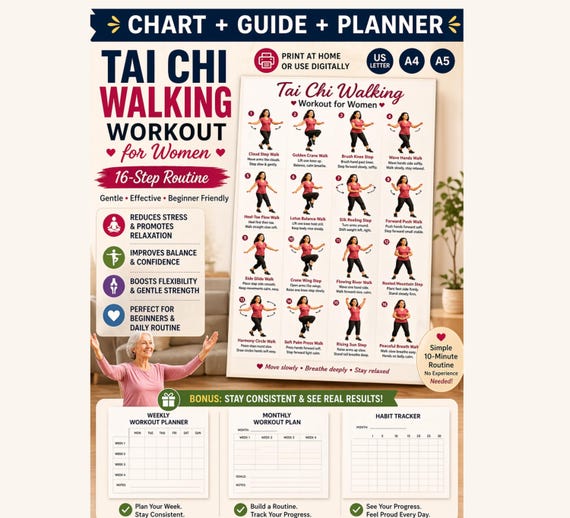
Scan the whole sequence. Are the daily boxes identical, or does the program change activities across the weeks? Are rest days identified? Does it reference pages that are actually included? A planner with a strong cover may still leave these questions unanswered in its preview images.
Check whether a session requires equipment, floor space or a steady chair. Write those needs on the calendar if the design leaves room. Starting with a realistic setup is more helpful than beginning with a date that only looks neat on paper.
Use check-ins instead of streak pressure
At the end of each week, notice which instructions were clear, what fit your schedule and what you would adjust. If you miss several days, resume at a sensible point after checking whether the next movement still makes sense. A printed number does not know your circumstances.
Keep notes factual: completed, paused, changed, or asked for advice. The calendar can show the pattern without assigning a moral value to it. If the routine is medically relevant or causes symptoms, rely on qualified guidance rather than the program's day count.

Keep the printable useful after the month
A four-week structure can become a reference for a later month. Preserve the pages you actually consulted and record where you needed more information. If the exercise chart is useful but the calendar isn't, reuse the chart independently instead of forcing both parts to work together.
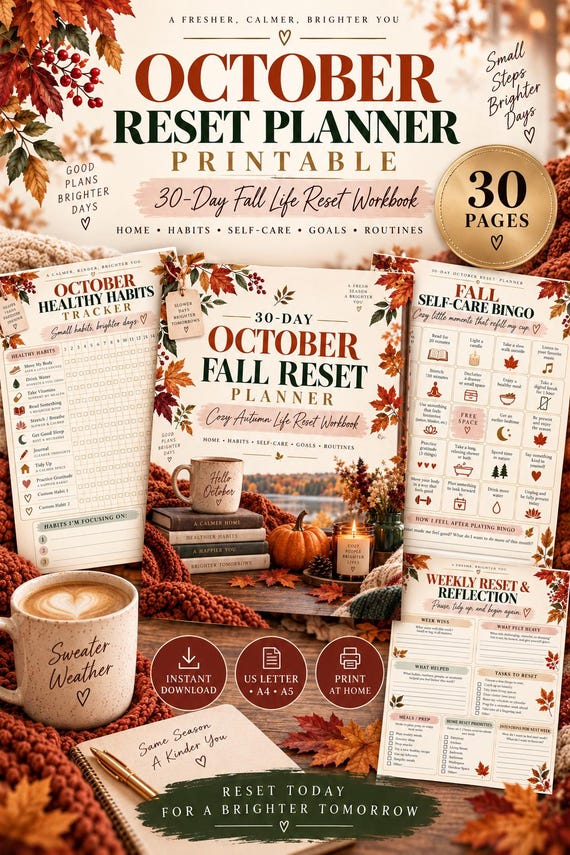
Before buying, confirm whether the advertised calendar is a filled plan, a blank template or both. Those are different products in day-to-day use. The live listing and mockups should help you tell them apart.
Read all four weeks before beginning
A calendar can hide important differences between weeks. One may repeat the same activities; another may add a new chart or change the intended session. Scan the complete sequence and look for a legend, rest days and references to pages that are actually included in the download.
Ask what the numbers mean. Does day 15 introduce a movement, mark a date or simply offer another checkbox? If the listing includes a separate exercise guide, understand which pages correspond to the calendar. A schedule with many boxes is only useful when those boxes refer to actions you can identify.
Before buying, inspect a sample of the middle of the program, not just the first and last page. Marketing images often favor the cover, while the middle weeks reveal whether the layout provides enough detail to follow.

Translate the plan into your actual week
Take a pencil and mark the days when you have a plausible time and suitable space. If a calendar has fixed dates, treat them as a suggested structure unless someone has advised you otherwise. If you miss a day, there is no need to squeeze two sessions together merely to preserve the printed numbering.
If an activity requires a chair, mat or clear floor, put that note near the box. A logistical reminder can be more valuable than a motivational slogan. Prepare the reference page where you can read it, and pause to review unfamiliar directions before moving.
A blank or undated version can be easier to reuse. If the product only includes a dated design, check whether the timing still serves your purpose. A downloadable file is flexible when you use its structure as a guide rather than as a rigid command.
Make weekly check-ins specific
At the end of each week, ask three concrete questions: Which page was easy to understand? Which session was practical to fit in? Which instruction needs clarification? A tracker full of checkmarks may look impressive but answer none of them.
Use the next week to test one adjustment. Perhaps place the poster at eye level, choose a larger print or move the session to a less crowded day. Changing one factor makes it easier to see whether it helps. If a movement itself is unclear, do not substitute guesswork for better instruction.
A four-week page can also reveal that the format is a poor match. If the chart is useful but the calendar is not, continue using the chart. The purchase does not require you to use every bonus page in the same way.
Protect room for rest and personal advice
A printed program cannot respond to pain, dizziness, fatigue or medical history. It cannot tell you whether to progress or repeat a movement. If you have a condition affecting activity or experience concerning symptoms, seek individualized advice and change the page accordingly.
A rest entry can be a deliberate part of a realistic routine. It may also represent travel or a day when another activity made more sense. Recording that truth makes the calendar more accurate than filling every box for appearance.
After day 28, preserve a short record of what you learned about timing, readability and setup. That can guide your next month better than simply resetting the counter to day one. A useful calendar makes the next decision easier.
What to do after a disrupted week
Suppose the first week goes as planned and the second includes illness, travel or another commitment. Leave the affected boxes as an honest record. The third week need not compensate for missed days by doubling up on sessions. Reconsider your available time, any relevant professional advice and what feels manageable before writing the next entries.
A simple note such as travel or changed plan gives context when you look back. It is often more informative than restarting a calendar from day one. If the page has little space, use a separate note and mark the date it belongs to. The 28-day border is a filing device; it cannot force life or progress into an exact four-week arc. The useful outcome is a clearer view of what you can repeat.
Keep the original calendar and your actual record as separate documents. When a plan changes, write a brief reason beside the new entry, such as a different available time or a setup question. At the next review, look for one adjustment you can make to the schedule. A calendar becomes useful through those decisions; completing every printed box is not the purpose of the page.
Treat the dates as a framework you can review and adjust, not a promise of results.
Written for general information by The Better Plans. Exercise and wellness content cannot diagnose a condition or replace individual professional advice. The Better Plans also sells digital products on Etsy, but this article is free to read and requires no purchase. Read our editorial policy or send a correction.