THE BETTER
A wellness reflection page can offer space to pause and write, but the word wellness is broad. It can refer to daily routines, personal priorities, comfort, relationships or questions you want to discuss. A single score cannot capture all of those meanings. A more useful reflection often begins with a concrete observation and ends with a practical next step you can choose. This guide explains how to use the page as a personal record without treating it as a health assessment. It does not interpret symptoms, recommend treatment or suggest that journaling is a substitute for appropriate professional support.
Define what you want the page to help with
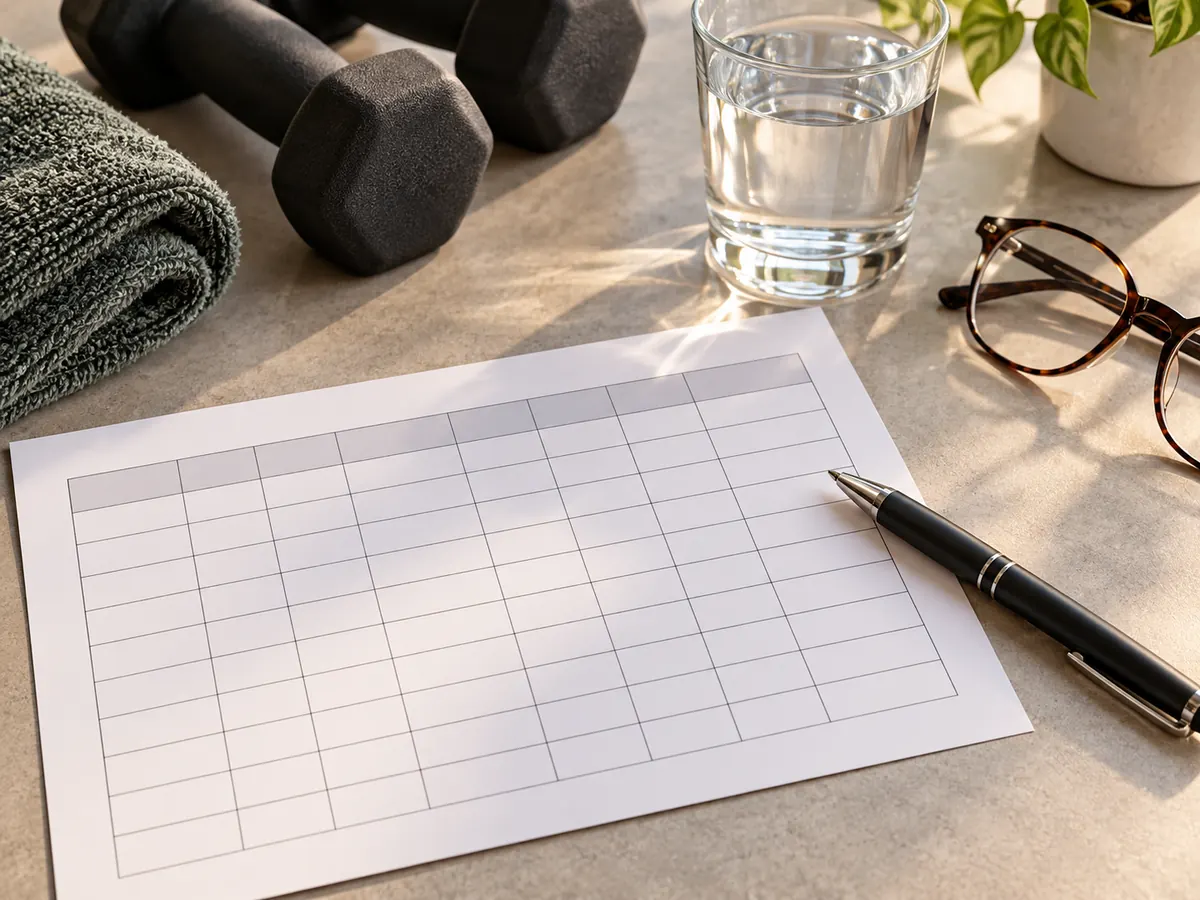
Choose a narrow purpose before deciding what to write. Perhaps you want to remember interruptions in your week, identify an inconvenient planning slot or keep questions for an appointment. Those purposes need different fields. A page with mood, activity, sleep and energy boxes may look comprehensive, but you do not have to complete every category. Mark fields not relevant to your purpose rather than inventing entries. The page should answer a question you actually have. Its printed headings are suggestions for organization, not proof that every area needs to be measured each day.
Write a short intention at the top, such as noticing when my planning routine becomes too complicated. That intention gives the notes a boundary. If you later want to record something different, use another page or label the change. This prevents a month of mixed observations being treated as one consistent measurement. A reflection about available time is different from a clinical symptom diary. If a professional has asked you to keep a particular record, follow their requested format and clarify uncertainties rather than replacing it with a general workbook you prefer visually.
Describe an event before evaluating it
Start with what you observed in plain language. For example, I could not find the correct printable before leaving the house describes a specific problem. An entry such as terrible day is an evaluation that may be meaningful to you but offers little detail for future planning. Both forms can coexist if you want, yet the observation is what makes a next step identifiable. Write the time or context only when it adds useful information. Do not manufacture precision for an event you only vaguely remember, and label retrospective notes when that distinction matters.
Context can change how a note is understood. A missed planning session during travel differs from repeatedly forgetting a planner stored out of sight. Record that context without making the page a detailed account of everything that happened. A sentence can be enough: away from home; did not bring the binder; used a blank note instead. The purpose is to preserve information you can use, not to prove you complied with a routine. If the note concerns health, write what you experienced without assuming you know its cause.

Use ratings only when their meaning is clear
Some pages ask for a number or coloured symbol. If you choose to use one, define what it means for your own record. A five-point convenience scale could describe how easy the document was to use; it should not quietly become a measure of overall health. Keep the scale consistent and label changes. A score without a definition is difficult to compare even with your own earlier entry. It is also easy for someone else to misunderstand if you share a photograph of the page. Plain words may be more informative than a number.
Do not combine unrelated categories into an impressive-looking total unless you have a meaningful reason and an appropriate basis for interpreting it. A completed habit box, a planning note and a mood symbol describe different things. Adding their values does not create a validated wellness score. A printable layout can organize information attractively, but visual polish does not establish measurement accuracy. If a field creates pressure or invites conclusions you cannot support, remove it from your routine. Leaving a number blank is more useful than assigning a misleading value merely to finish the page.
Separate questions from conclusions
A questions section is valuable because it preserves uncertainty. You might write: would a larger page make these instructions easier to consult? That question can lead to a document test. Another question might belong with someone who knows your individual circumstances. Mark who could reasonably help: seller for missing download content, instructor for a movement question, or an appropriate professional for a health concern. The reflection page does not need to supply the answer. It can help you remember the question accurately when you have the right conversation.
Avoid turning timing into causation. If you changed a routine and then felt different, the record can state those two observations. It cannot establish that the change caused the feeling. Many circumstances may be relevant, and a workbook cannot evaluate them. Keep practical conclusions narrow: I will move the binder to a place where I can find it is different from this routine fixed my symptoms. This distinction protects the usefulness of the notes. A factual record can support discussion without carrying a medical claim it cannot justify.
Choose small document-related next steps
A next step can be an organizational adjustment rather than a personal improvement target. Put the current planner beside the calendar, simplify a crowded checklist, or write the page number next to a saved question. Choose one change you can observe when you use the document again. This helps you test whether the paperwork is easier to manage. Do not treat the reflection as permission to change medication, ignore symptoms or begin an unfamiliar exercise. Decisions requiring individual health guidance belong outside the authority of a general printable page.
Record the difference between an intended change and a completed one. If you planned to reprint a large-font page but have not done so, label it pending. At the next review, note whether the change was attempted and what practical result you noticed. An unfinished action might no longer matter, or it may need a different approach. You do not have to carry every old task into the next week. A reflection sheet is useful when it reduces confusion; it should not become an accumulating list of obligations that nobody revisits.
Protect the record and review it selectively
Reflection pages may contain personal details about you and other people. Decide where they will be kept and who is intended to read them. Store completed notes separately from blank templates you might send to a friend. Before sharing an image for a printing problem, cover names, health observations and unrelated entries. Digital convenience does not remove the need to think about access. If you use a website or application, understand whether the notes remain on your device or are stored by a service before recording information you would not want others to see.
Review only the entries that serve your chosen purpose. You might keep a summary of recurring document problems and archive the rest. Do not assume a long record is automatically more useful than a short one. Missing entries should remain missing unless you can add an honestly labelled recollection. Ask what the page helped you notice, which questions remain open and whether the format still fits your needs. If it creates more work than clarity, try a simpler note. A thoughtful reflection can be brief, specific and private without reducing your experience to a score.
Use observations, context and open questions. Choose practical next steps while leaving health interpretation to appropriate professional guidance.
Written for general information by The Better Plans. Exercise and wellness content cannot diagnose a condition or replace individual professional advice. The Better Plans also sells digital products on Etsy, but this article is free to read and requires no purchase. Read our editorial policy or send a correction.