THE BETTER
A meal-planning printable works better when it connects to the food already in your kitchen. Without that connection, a weekly menu can lead to a shopping list full of ingredients you already own. At the other extreme, an inventory can become a detailed catalogue that nobody consults. A useful workflow sits between those two approaches: check the supplies relevant to the next plan, write the meals you intend to prepare, and list only the gaps you can identify. This guide explains the paperwork rather than recommending a diet. Food choices, dietary restrictions and individual nutrition questions require appropriate context beyond a generic planner.
Choose a practical planning window
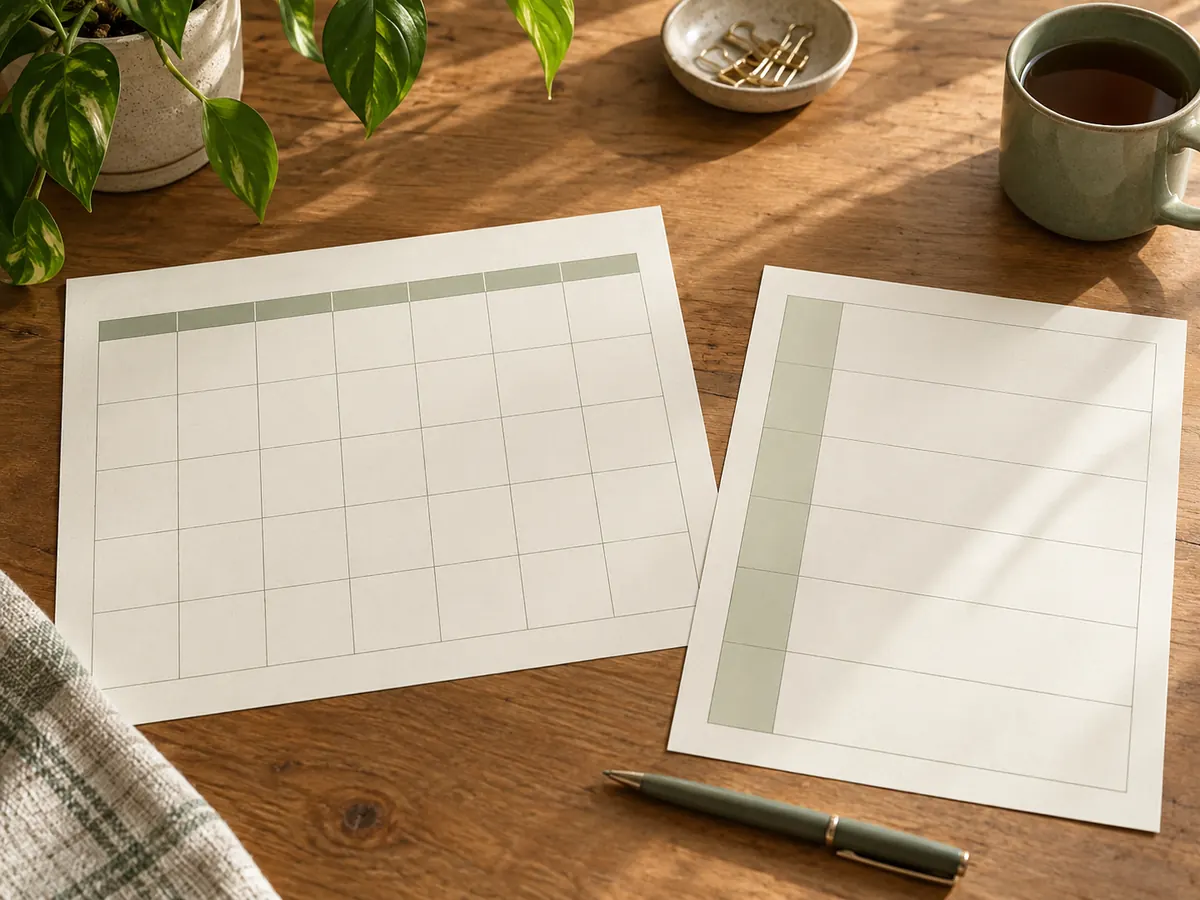
Begin with the meals for which you actually want a plan. You might record three dinners rather than every breakfast, snack and drink in the coming week. This keeps the inventory check bounded. Write the dates and note which meals will be eaten elsewhere, provided by someone else or decided later. A blank space can mean intentionally undecided; it need not be a planning failure. If household schedules change frequently, use a short window and review it before shopping instead of building a rigid month of menus you cannot realistically maintain.
Distinguish a proposed meal from a confirmed arrangement. For example, Wednesday dinner could be labelled tentative until you know who will be home. This affects quantities and the shopping list. Do not count tentative portions as definite requirements unless you intend to have extra supplies. Keep a small space for schedule notes, such as late arrival or shared cooking. These notes describe logistics. They are not evidence that one eating pattern is healthier than another, and the planner should not imply a nutritional judgement merely because a meal fits neatly into a box.
Check the supplies relevant to those meals
Read the ingredient list for a meal you intend to prepare, then check the corresponding cupboard, fridge or freezer. Record what you can actually identify. A useful entry includes the item, its location and an approximate amount when you know it. Write one unopened packet rather than converting it into an imagined number of portions. If a container is unlabelled or its contents are uncertain, mark that uncertainty instead of treating it as a reliable ingredient. The planning sheet cannot establish whether food is suitable to use; follow appropriate food-handling guidance separately.
Avoid cataloguing every kitchen item unless a full inventory serves a clear purpose for your household. For the next three dinners, checking the relevant ingredients may be enough. Group supplies by location so another person can repeat the check. A note such as rice, upper cupboard, half packet is easier to act on than a simple tick beside rice. Review existing quantities before copying an old inventory forward. A list from last month describes what someone observed then, not what remains in the kitchen today.

Translate gaps into a shopping list
Make the shopping list after comparing the planned ingredients with the checked supplies. Use one line for each item and keep quantities in units that are useful when shopping. If the recipe requires a precise amount but your inventory is approximate, write the uncertainty beside the purchase decision. An entry such as check remaining oats before buying makes the next step clear. It is more honest than recording a definite shortage you have not verified. The list should distinguish buy, check and optional so each line represents an actual decision.
Combine overlapping ingredients deliberately. If two planned meals use the same vegetable, consider their combined requirements before adding two separate purchase lines. Keep the original recipe quantities available so the total can be checked. Do not automatically substitute ingredients just because they are in stock; preferences, preparation requirements and individual dietary needs can matter. A printable can help you see an overlap, but it does not determine a suitable substitution. Where a qualified professional has provided dietary guidance, use that guidance rather than treating the grocery workflow as a replacement.
Give shared lists a clear owner and update rule
A household list becomes confusing when one person writes in a paper planner and another adds items to a phone note without comparing them. Choose a main list for the current shopping trip. Other notes can feed into it, but somebody should reconcile them before leaving. Record the date and, if useful, the person responsible for the check. This is a coordination choice rather than a requirement for one person to manage every task. Clear ownership helps prevent the same packet being bought twice because two independently maintained lists both showed it as missing.
Agree on how purchased items are marked. A tick might mean already bought, still needed or merely checked unless the household defines it. Use words where a symbol could be ambiguous. If someone buys an item early, update the main list and leave the entry visible long enough for other shoppers to understand the change. Avoid erasing a line without explanation if another person may still have an older copy. The aim is a shared picture of the next trip, not a permanent account of every purchase or a score of who completed the most tasks.
Keep preferences and sensitive information separate
A meal planner can record preferences such as a familiar recipe or a cooking method the household enjoys. Individual health information is a different kind of record. If you keep dietary instructions or symptom notes, consider who can see the page and whether that detail needs to appear on a shared shopping list. Use the minimum information required for the practical task. A general list should not expose a person's medical history simply because everyone needs to know which product to buy. Discuss how to record and share necessary restrictions with the person concerned.
When using a purchased food chart, read its stated purpose before adding it to the planning workflow. A general reference list does not become personalized advice when attached to a weekly menu. Do not infer that every food on a chart is appropriate for every person or that omitting an item guarantees a health outcome. Keep questions about file contents for the seller and questions about individual nutrition for an appropriate professional. This separation lets the paperwork remain useful without giving the design more authority than its actual information supports.
Review what the workflow helped you decide
After the planning window, compare the intended meals with what was actually prepared. Note practical reasons for changes: a missing ingredient, an unavailable cooking slot or an unexpectedly large leftover portion. These observations can improve the next shopping list. They do not require a perfect completion streak. If the inventory check repeatedly takes longer than the planning itself, reduce the number of fields or limit the check to relevant ingredients. A sheet that demands constant maintenance may become stale faster than a modest record you can update reliably.
Keep the blank master pages separate from completed household records. Reuse the layout, but check dates and quantities before carrying information forward. At the next review, ask whether you avoided duplicate purchases, identified uncertain supplies and communicated changes clearly. Those are practical outcomes the record can help describe. You do not need to label the entire week successful or unsuccessful. A connected planner, inventory and grocery list should support a small set of real decisions: what is planned, what is available and what still needs checking before the next shopping trip.
Plan a bounded set of meals, check relevant supplies and turn verified gaps into one current shopping list. Keep nutritional decisions separate from the paperwork.
Written for general information by The Better Plans. Exercise and wellness content cannot diagnose a condition or replace individual professional advice. The Better Plans also sells digital products on Etsy, but this article is free to read and requires no purchase. Read our editorial policy or send a correction.