THE BETTER
Good questions make a digital purchase easier to evaluate. They also keep a seller conversation focused on information the seller can actually provide. A long list of generic questions is less useful than a short list tied to your requirements and the missing evidence in a specific listing. This guide shows how to create that list, identify where each question belongs and decide when an answer is strong enough to support a purchase. It does not choose an exercise program or assess your health.
State the intended document task
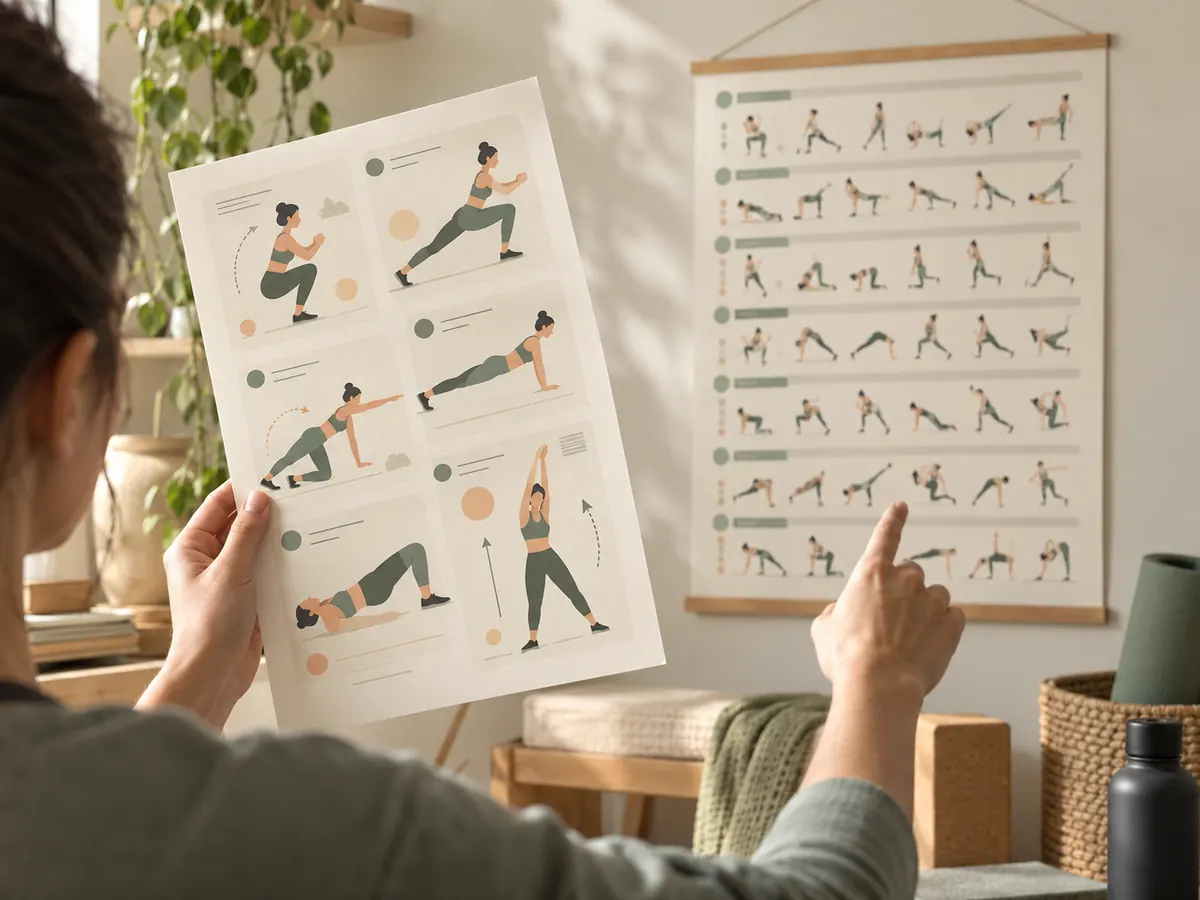
Begin with the job you want the document to perform. Do you need a large visual reference, a detailed reading guide, a blank record or an editable layout? Write one sentence that describes that task without adding an outcome promise. I need a printable chart I can read beside my desk is more testable than I need a plan that will transform my fitness. The first gives you questions about size, samples and clarity; the second invites unsupported predictions.
Keep the task separate from personal suitability. A product can meet your printing requirements while still needing individual assessment before you follow its movements. If you are buying for someone else, ask them about their preferred reading format rather than assuming a decorative chart will work. Your initial task statement should help narrow the purchase, not justify it. When the task is unclear, delay detailed comparisons until you know whether you want instruction, organization, reference or simply a blank template.
Turn every uncertainty into a specific question
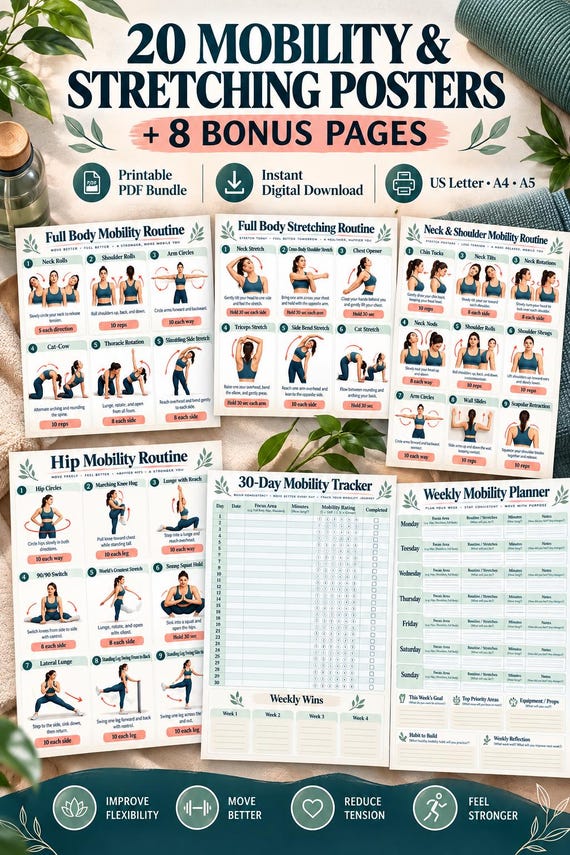
Read the listing once for confirmed information and once for unresolved details. Write uncertainties as questions that can be answered directly. Which PDF contains the complete collection? Are the writing fields fillable? Does the download include the separate explanation shown in image four? Avoid broad prompts such as is this good or will this work for me. Those depend on criteria the seller may not know and can produce reassuring but unhelpful replies.
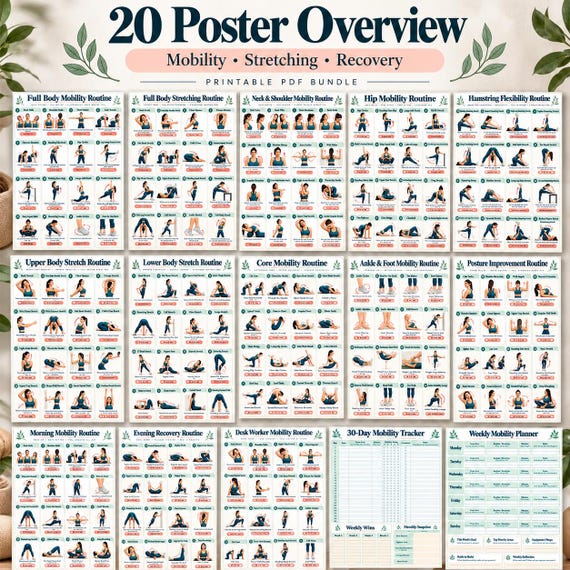
Attach evidence to each question. If the title says twenty posters and the description says twenty-eight pages, quote those phrases and ask how the remaining pages are classified. If a tablet image suggests digital use, ask whether the file is a standard static PDF or includes a particular interactive feature. A grounded question reduces misunderstanding because both parties can identify the detail being discussed. It also gives you a record to compare with the delivered files rather than relying on a general feeling of confidence.

Rank questions by purchase consequence
Not every missing detail needs to delay a purchase. Divide your questions into essential, useful and optional. Essential means an answer could change whether you buy at all, such as whether the file is editable when editing is your main requirement. Useful means it affects preparation, such as how files are grouped. Optional means it is interesting but not necessary, such as the seller's choice of cover colour. Ask the essential questions first to keep the exchange manageable.
A hypothetical buyer with only an A4 printer might rank complete A4 delivery as essential and a separate A5 edition as optional. Another buyer who will consult the PDF on a tablet might care more about readable samples and annotation than paper dimensions. The categories come from your actual task, not a universal shopping standard. If everything is marked essential, review whether you have included speculative requirements. A small list of decision-changing questions is easier to answer accurately than an exhaustive questionnaire.
Send technical questions to the seller
Sellers can explain product contents, file format, supplied dimensions, included guidance and delivery instructions. They may be able to provide a clearer sample or clarify whether a companion guide is included. Ask them for information about the resource, not an assessment of your symptoms or a prescription. A useful question is whether the poster explains each pictured movement. Whether a particular movement is appropriate for your condition requires a different conversation with someone qualified to consider your circumstances.
This separation protects both clarity and privacy. You do not need to provide a diagnosis to ask about font size, PDF structure or download access. If a purchase depends on individual advice, show the relevant product information to the professional supporting you and ask about its intended role. The seller's knowledge of their files does not automatically include knowledge of your needs. A friendly answer should not be interpreted as a personal clearance to follow every page in the bundle.
Evaluate the form of the answer
An informative reply connects to the exact question and gives a verifiable detail. The A4 PDF contains twenty posters plus eight planners is more useful than everything you need is included. The file is a static PDF with no form fields answers a format question. If the response supplies a different concept, restate the unresolved point once. You may have asked about digital editing while the seller answered about printing; those are different capabilities and need separate confirmation.
Do not demand certainty about things a seller cannot observe, such as how every printer will handle a file or how a routine will affect an individual. Instead, seek reasonable file facts and a sample you can inspect. Keep unknown details marked unknown. An unanswered optional question may be acceptable, while an unanswered essential question may be a reason to choose a different resource. Evidence-based buying means being clear about the limits of what the answer establishes, not collecting reassuring language.
Use a short message with enough context
A practical message can contain the product title, your document task and two or three numbered questions. For example: I want to print the reference pages on A4. Is the complete collection supplied at that size? Does the twenty-eight-page count include the cover and planners? Could you confirm whether the companion explanation is part of this download? This message gives enough context to answer without a personal biography or a lengthy account of your shopping process.
Avoid sending several repeated messages before the seller has responded. If you later discover another essential question, add it clearly and distinguish it from the earlier ones. Keep screenshots cropped to the relevant listing text. A screenshot containing account details or unrelated private notes adds no useful evidence. The aim is a conversation that produces factual clarification you can use, not pressure for a guarantee. Save the reply in a place where you can find it if delivery needs checking.
Create a final evidence summary
Before purchase, summarize confirmed facts, remaining unknowns and your decision. A note might read complete A4 collection confirmed; digital editing not included; sample readable on screen; personal suitability still outside the seller's answer. This summary prevents one positive reply from being stretched into certainty about the whole product. It also helps if you are considering several resources over time and might otherwise remember the details from one listing as belonging to another.
Use the summary after delivery to verify the specific promises you checked. If a file is missing, refer to the confirmed contents rather than reopening every earlier question. If the actual page is hard to use, distinguish a technical issue from a change in your preferences. The question list has done its job when it helps you make a clear, informed decision and explain any genuine mismatch. It does not need to become a permanent checklist for every inexpensive download you encounter.
Start with your document task, prioritize missing facts and ask precise questions. Use answers to confirm product details while keeping individual exercise suitability outside the seller's technical role.
Written for general information by The Better Plans. Exercise and wellness content cannot diagnose a condition or replace individual professional advice. The Better Plans also sells digital products on Etsy, but this article is free to read and requires no purchase. Read our editorial policy or send a correction.