THE BETTER
A fitness product can explain concepts, illustrate positions or organize a routine without providing individualized instruction. Marketing language sometimes makes those roles seem interchangeable. The distinction is worth examining because a polished document cannot observe your technique or adapt itself to your circumstances merely by using a particular title. This guide offers a method for reading claims in context, checking what the supplied pages demonstrate and keeping personal decisions separate from general educational content. It does not evaluate any individual product's clinical effectiveness.
Identify the action promised by the wording
Read the verb in a claim before judging its strength. Illustrates, explains and records describe document functions that can often be checked in a sample. Treats, corrects or guarantees introduce broader outcomes that cannot be established simply by seeing attractive pages. Even familiar words such as supports can be vague without a stated object. Supports planning means something different from a suggestion that a printable produces a particular physical result. Ask what action the document itself performs.
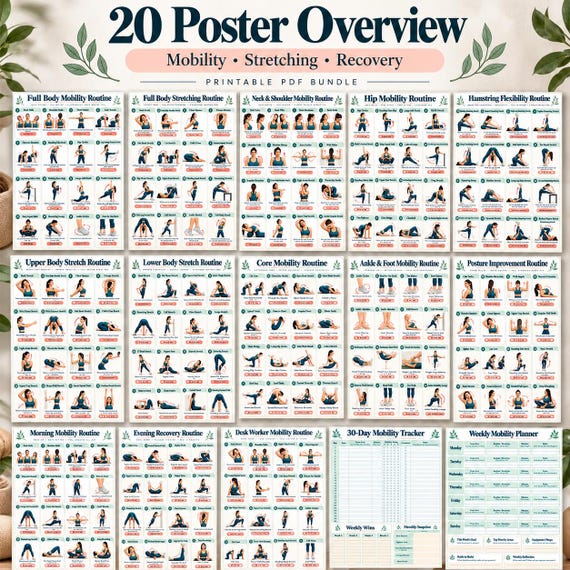
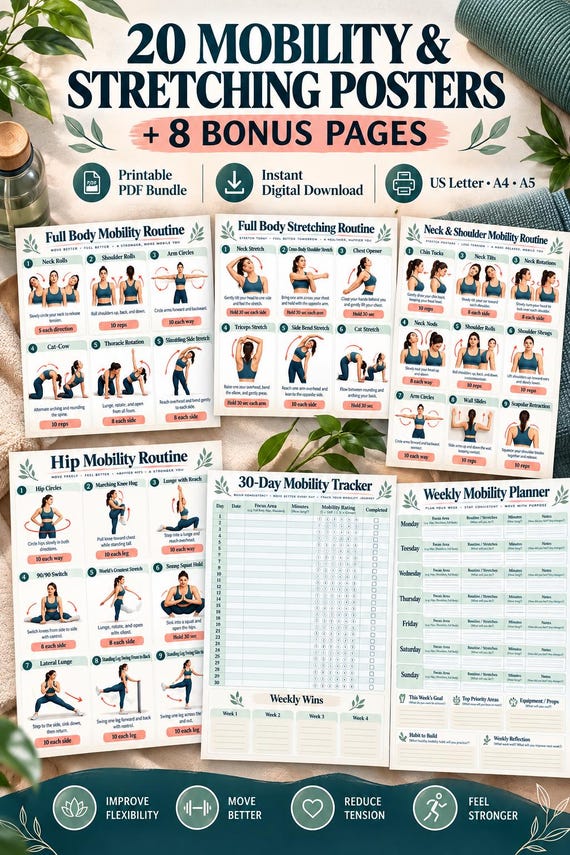
A hypothetical poster that illustrates sixteen positions can demonstrate those illustrations in a sample. That does not establish that a reader will understand every transition or that the positions match the reader's needs. A tracker can record entries, but it cannot validate their accuracy or interpret a symptom. Keep claims anchored to the observable features of the file. This makes it easier to recognize when an otherwise useful educational resource is being asked to carry an expectation beyond its actual function.
Distinguish a reference from an instruction sequence
A reference chart summarizes information for consultation. An instruction sequence explains what happens first, what changes next and how the activity ends. Some products combine the roles, while others supply only a compact reminder. Inspect starting positions, arrows, labels and accompanying sentences. If only the final position appears, do not assume the page provides a complete explanation of getting there. The missing transition may matter more than the number of illustrations in the grid.
A fuller explanation is still general information unless it considers the individual reader. It can improve clarity without becoming a personalized program. For a buyer who already understands a movement, a reference may be useful as a reminder. For someone learning unfamiliar technique, the same page may leave essential questions. Describe the resource's role honestly before deciding how to use it. More pages and more detailed prose do not automatically remove the need for appropriate individual instruction where that instruction is required.

Check what personalization actually means
Personalized can refer to a printed name, a selected colour, a blank planning field or recommendations based on an assessment. These are very different features. A workbook with your name on the cover is visually personalized; that does not mean its movement content has been adapted to you. A choose-your-own schedule offers organizational flexibility, but it may still draw from the same general reference pages supplied to every buyer. Ask exactly which element changes.
If a product suggests individual adaptation, look for an explanation of the process rather than assuming a template performs an assessment. Who considers the reader's circumstances, what information is used and what is actually delivered? Do not fill gaps with expectations drawn from a title. When the offered customization is decorative or organizational, that can still be valuable. The important point is to avoid interpreting it as personal technique guidance or health advice when the seller has only described changes to the document's presentation.
Evaluate evidence in the correct category
A sample proves that a design has certain visible features. A contents list identifies what is promised. A customer comment describes one person's reported experience. These forms of evidence answer different questions, and none should be stretched beyond its category. Several positive comments about print quality do not establish exercise suitability. An attractive illustration does not establish the effectiveness of a routine. A detailed page count does not establish instructional completeness.
When a claim refers to an outcome, ask what kind of evidence would be needed to assess it and whether the listing actually provides that evidence. You do not need to investigate every broad phrase exhaustively. You can choose to base your purchase on clearer document functions instead. For example, buying a readable reference because it helps you find information is a different decision from buying it because a marketing sentence suggests a guaranteed result. The clearer decision is easier to evaluate after delivery.
Keep numerical targets in context
Numbers printed on a page can serve as examples, recording fields or general program suggestions. Their presence does not tell you how they were chosen for a particular reader. A duration box is a place to record time; a printed duration may be part of a general sequence. Neither automatically establishes the appropriate amount of activity for an individual. Read the surrounding explanation and do not treat the design's precision as proof of personal relevance.
A hypothetical calendar could show twenty-eight days while allowing rest or schedule changes. Another could present a fixed sequence. The shared number does not make their instruction equivalent. Similarly, a grid of sixteen positions may be a catalogue of options rather than a requirement to complete every one. Ask what the document intends the numbers to mean. Questions about personal amounts, progression or adaptation belong with guidance that considers you, rather than being settled by whichever number is printed most prominently.
Ask content questions without seeking a guarantee
Ask the seller whether the download includes step-by-step explanations, whether the charts are intended as reminders and whether a companion guide is supplied. These questions establish what kind of educational material you are buying. Avoid asking the seller to guarantee a personal result or interpret your symptoms. A reply that clarifies the product's scope is useful even if it does not tell you whether to follow the movements. Scope clarity is part of an informed purchase.
If you need individual instruction, show the actual page to an appropriate professional and explain the role you hope it will play. A professional can distinguish a useful reminder from a page that leaves unanswered technique questions in your context. Do not assume a generic disclaimer alone solves every ambiguity. Read the main claims and the actual instructions together. If they appear to suggest different roles, ask for clarification before relying on the stronger interpretation. A small unresolved claim can matter when it is the reason you intend to buy.
Write a realistic expectation for the resource
Before purchase, complete the sentence this document can help me by using a function you have verified. It might help you identify page titles, keep a record, study terminology or consult a familiar reference. Then write what it cannot establish for you, such as personal technique, symptom interpretation or an appropriate progression. This is not a rejection of educational printables. It is a way to give them a useful role without expecting them to perform an assessment they cannot perform.
After delivery, compare the resource with that expectation. Is the explanation present? Are the references readable? Do the recording fields support the task? Keep personal questions separate from defects in the file. A product can be technically complete and still not fit the role you hoped it would serve. Honest expectations make that distinction easier to see. Educational content is most helpful when its functions, evidence and limits are clear enough that readers can decide what further clarification or individual support they need.
Verify document functions in samples and contents lists. General explanations, attractive references and customization should not be mistaken for individualized assessment, technique instruction or guaranteed personal outcomes.
Written for general information by The Better Plans. Exercise and wellness content cannot diagnose a condition or replace individual professional advice. The Better Plans also sells digital products on Etsy, but this article is free to read and requires no purchase. Read our editorial policy or send a correction.