THE BETTER
The word mobility covers many different movements. A page of gentle illustrations might be a handy reminder, but it is not enough to tell whether a particular stretch fits a person's symptoms or history. Here is a way to examine the resource before using it.

Read the whole instruction first
Find the starting position, direction, end position and any notes about support. If the chart shows only a final pose, it may not be sufficient to learn the movement from scratch. Zoom in or use a fuller guide where available.
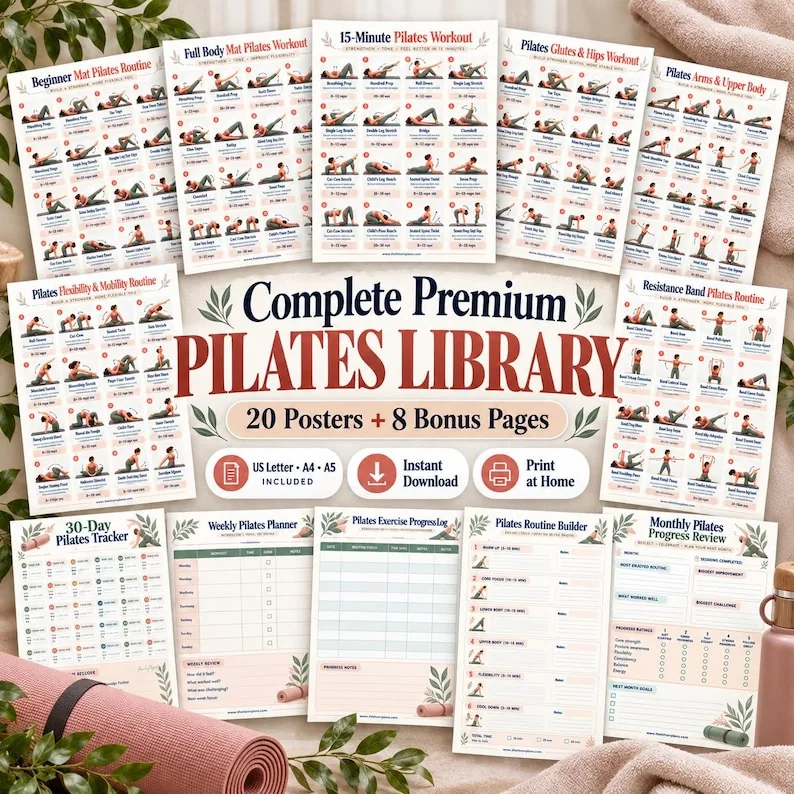
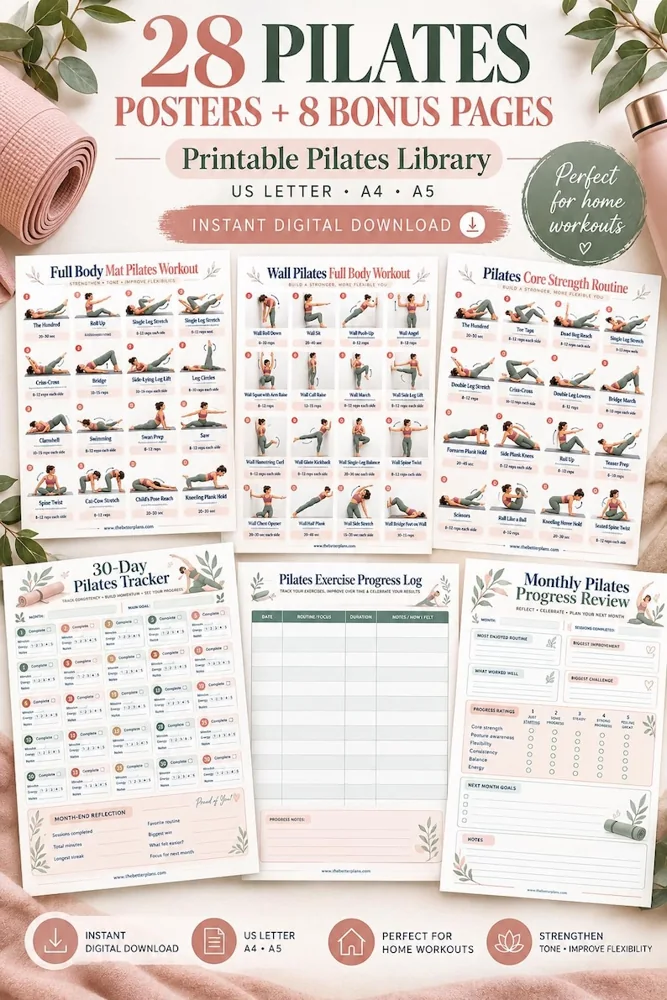
Check whether the sample page and written description agree about what is included. A bundle might mix movement cards with trackers or schedules. Decide whether the educational pages are detailed enough for your intended use.
Prepare the environment and a pause point
Some movements require space on the floor; others can be done seated or standing near support. Look at the actual illustration before deciding the spot. Place instructions at a readable angle and leave enough room that you can stop to review them.
If a stretch is unfamiliar or causes pain, stop rather than treating the printable's sequence as a command. General information is not a substitute for an individual evaluation, especially when mobility limitations arise from a condition or injury.

Ask what a printable adds
The page may be useful as a visual reminder after a technique is already understood. A tracker can note which page you used. It should not be sold or interpreted as a guaranteed fix for pain, stiffness or function.
If symptoms affect your choice of movement, seek qualified advice. The National Institute on Aging notes that activity can often be adapted for chronic conditions; the right adaptation depends on the person. A clear, legible resource can then support the approved routine.
Decide what help you expect from the page
A mobility printable might provide a visual sequence, a planning calendar or a record of questions. Name the job before choosing one. If you are seeking a diagnosis or treatment for pain, a downloadable chart cannot provide that; start with appropriate clinical guidance.
Check whether the instructions are detailed enough for your experience level. Someone who has already learned a movement may need a reminder. A newcomer may need demonstration and feedback that a static drawing cannot supply.
Look at the product sample rather than the cover alone. Can you identify the starting position and which body part moves? Can you read the text on your intended device or paper size? If not, seek a clearer resource.

Set up a small first use
Choose a single page to inspect rather than trying an entire bundle at once. Read all steps while still, note the space and support assumed, and check that the images match the written sequence. If the movements are part of your approved routine, place the chart where it is easy to consult.
Do not force a position because the drawing looks gentle. The apparent ease of an illustration does not account for pain, injury or individual range of motion. Pause and consult a qualified professional when you are uncertain about whether an exercise fits your circumstances.
Keep the first use focused on whether the resource is legible and understandable. A printable has succeeded at its own task if it helps you recall an appropriate instruction; it does not need to promise a dramatic physical change.
Evaluate the guidance honestly
Look for cues that describe the order of actions and how to stop. A page of finished poses without transitions is a weak teaching tool for an unfamiliar routine. If it links to a video, confirm that the video is actually included and accessible.
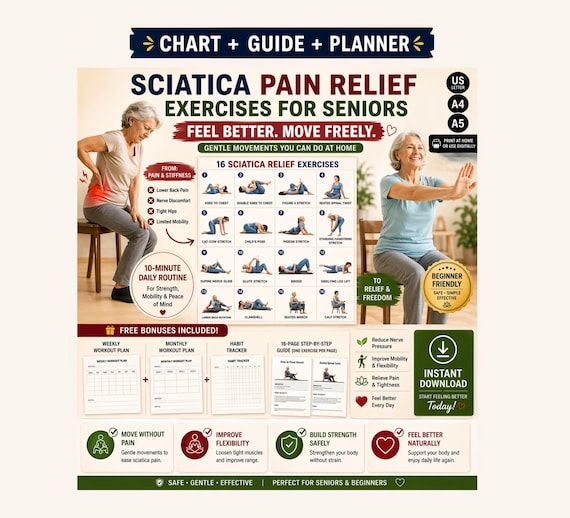
Treat treatment claims with care. A chart labeled for stiffness or sciatica is still general information. It cannot know the cause of your symptoms, and the name on the cover is not proof that a sequence will help.
Read reputable public guidance alongside the page when it addresses a health topic. The National Institute on Aging offers information on activity with chronic conditions. Individual recommendations, however, come from a professional who can consider your history and symptoms.
Keep what works and revise what does not
After reviewing a page, ask two practical questions: could you read it easily and did you understand its purpose? If the answer is no, print larger, use a more detailed guide or seek instruction. Do not keep following ambiguous arrows simply because the chart looks polished.
A tracker can record the date, page used and questions to follow up. It should not assign a diagnosis or promise a result. Avoid sharing sensitive personal notes with a seller unless there is a clear reason and you understand how they will be used.
Use a printable as one small tool within a sensible approach to movement. Clear instructions, an appropriate setting and qualified advice where needed matter more than completing every page of a bundle.
A trial focused on clarity
Take one sample page and review it while seated or otherwise at rest. Identify where the sequence begins, where it ends and whether the drawings agree with the captions. Note what furniture or floor space the page assumes. Then check whether you can read it on the device or at the paper size you expect to use.
If a step is unclear, write down the question. If symptoms or limitations affect movement, discuss suitability with a qualified professional before trying it. Your first assessment of a printable can be entirely about the clarity of its information. That is a worthwhile result even if you decide the resource is not right for you. Avoid turning a product trial into a test of whether you can push through uncertainty or discomfort.
If you keep the printable, store the original file separately from any annotated copy. Mark which page you actually reviewed and when. That can prevent you from confusing a question you wrote later with the seller's instruction. If you decide the instructions are too sparse, that is a useful finding: look for more detailed teaching instead of filling the gaps with guesses. The value of a guide begins with clear communication.
Keep a short resource note after inspecting a new chart: which instructions were clear, which illustration needs a closer look and where you will seek clarification. This is an evaluation of the material, not a test of your physical capability. If a movement is unfamiliar, do not use a successful-looking mockup or a printed repetition count as evidence that it is suitable for you.
Choose clear instructions, set up the space and treat symptom questions as individual questions.
Further reading
These public resources provide context for the general activity or symptom guidance mentioned above.
Written for general information by The Better Plans. Exercise and wellness content cannot diagnose a condition or replace individual professional advice. The Better Plans also sells digital products on Etsy, but this article is free to read and requires no purchase. Read our editorial policy or send a correction.