THE BETTER
A travel walking journal can be a record of places and practical details rather than a competition. It might help you remember a museum entrance, an indoor alternative during a venue closure or the reference document you brought with you. A useful entry explains the situation without comparing your totals with someone else's. This guide focuses on organizing a private travel record. It does not recommend routes or establish what activity is suitable. Choose the details you will genuinely want to read after the trip, keep uncertain information labelled and leave room for the ordinary changes that happen when travelling.
Choose the reader and purpose
Decide whether the journal is for your own memory, a shared trip scrapbook or a practical planning record. Those purposes call for different detail. A private record may include a booking reference; a scrapbook can simply name the place and preserve an impression. Do not collect precise location or timing information merely because an empty field asks for it. Think about where the page will be stored and who might see it. A good travel journal helps its intended reader understand the trip while respecting the privacy of everyone included. If the template encourages rankings, you can replace those prompts with descriptive questions.
For example, a fictional traveller could choose the purpose: remember useful venue information and places I enjoyed looking around. Suitable fields would include date, place, context and question for a future visit. A leaderboard, daily winner or comparison with companions would not answer that purpose and can be omitted without making the journal incomplete.
Use dates that remain clear after the trip
Record the full date when the entry might be read months later. If you travel between places with different time zones, choose a clear convention, such as local calendar date at the place described. State that convention on the first page rather than silently mixing dates from a device and a paper calendar. You do not need precise timestamps for every observation. A simple date and location can be sufficient. If an entry is written later, distinguish the date described from the date recorded when that difference matters. Avoid reconstructing exact details you cannot confidently remember merely to make the page look complete.
A sample heading might read: local date, trip day and short place label. If a note is added after returning home, label it added later rather than implying it was written on location. This preserves the character of the record. A travel journal can contain a mixture of immediate notes and later memories as long as the distinction is honest.

Describe the setting without rating the activity
Write about context that you actually observed: a venue entrance moved, a corridor had unfamiliar signage, or the meeting point was different from the booking note. These details may be useful on a future visit, but they should not be presented as permanent facts about the location. Include the visit date and qualify anything that may change. Avoid interpreting route choices as evidence of fitness or comparing people by distance. Descriptive entries can still be vivid. A note about a mural, a quiet reading area or a helpful map records a memorable moment without turning the experience into a performance score.
Consider an imaginary entry: followed the venue signs to the temporary entrance; noticed a display of local photographs; check current entrance arrangements before another visit. It describes an experience and a future information check. It does not claim that the route is suitable for every visitor or that the venue arrangement will stay the same.
Keep reference documents distinct from memories
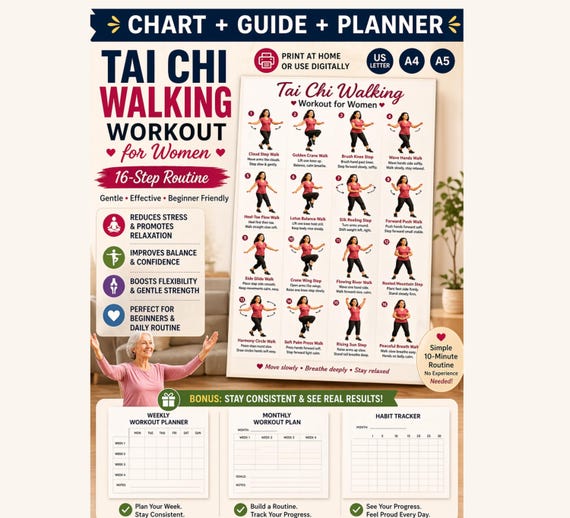
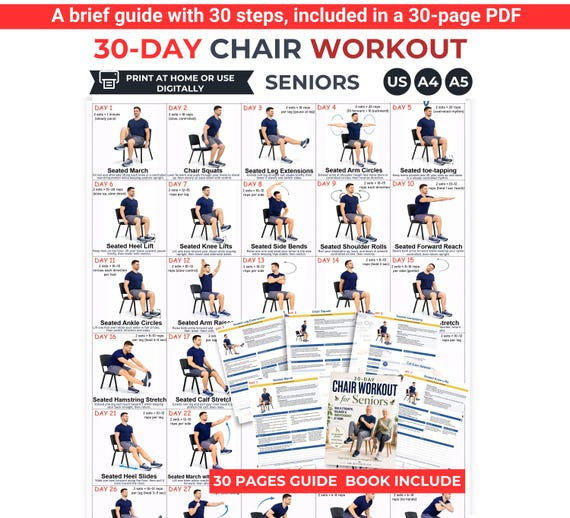
You may travel with a planner, a walking calendar or a chart you already use. Record which document you consulted without treating the journal as a continuation of that resource's instructions. A file title and page number can be enough. Keep any individually supplied guidance in its own private place. The travel journal can note questions that arise, but it should not turn a memorable trip entry into an exercise recommendation. If you share the journal, remove private annotations that belong to another context. A clear boundary between reference material and travel narrative makes both easier to understand later.
A hypothetical note could say: brought the undated planning sheet; page three was difficult to read on the small screen; ask about a clearer edition. That is a useful document observation. It does not say that the chart caused any physical outcome or that companions should follow the same plan because it appeared in the travel folder.
Use optional observations instead of targets
Fields can invite attention without demanding achievement. Replace mandatory totals with prompts such as what changed, what was memorable and what should I confirm next time. Leave a field blank when it adds no useful information. A missed entry is a gap in the journal, not a failed travel day. If you already collect numerical records for another purpose, keep them separate and avoid treating them as a competition in the scrapbook. You can appreciate a trip without ranking each day. The journal's value comes from specific, readable context rather than the amount of data accumulated or the number of filled boxes.
Try recording two fictional days with different amounts of detail. One might have a short venue note; the other might include a longer description of an exhibit. Both can be valid entries. If the template makes the shorter day appear unsuccessful, change the headings so they describe available notes instead of awarding points for quantity.
Protect companions and private details
When another person appears in an entry, ask whether they are comfortable with the detail being retained or shared. Avoid publishing their location, personal circumstances or individual exercise instructions in a public travel journal. A private nickname may be enough for remembering a conversation. Keep receipts and booking documents separate from scrapbook pages if they contain identifying information. Before sharing a photograph of a filled sheet, inspect the background, margins and attached notes. Privacy is a practical editorial choice here: the story should not require disclosure of information that is unrelated to the memory you want to preserve.
For an example, change met a named companion at an exact address to met our group at the agreed venue when preparing a public copy. Keep the fuller details privately only if needed. Similarly, a photograph of a journal page should not include a visible booking code tucked behind it. Review the whole image, not just the main paragraph.
Write a useful after-trip index
At the end, make a short index of places, practical questions and documents you want to revisit. Link each item to a journal date rather than copying every entry into a summary. Mark information that needs checking before reuse, such as access arrangements or booking details. Preserve memories as memories rather than turning them into current travel advice. You may find that only a handful of notes are useful for another trip; that does not reduce the value of the rest. A journal can serve both memory and organization when its summary remains modest about what the record establishes.
A final index could include venue entrance note, reference page readability question and favourite display description, each with a page number. Add current information needed beside the venue entry. This helps you find the relevant record while reminding you that an observation from one visit is not an authoritative guide for future arrangements or other people's needs.
A travel walking journal can preserve context and memories without step competition. Use clear dates, optional notes and privacy-aware summaries that distinguish past observations from current advice.
Written for general information by The Better Plans. Exercise and wellness content cannot diagnose a condition or replace individual professional advice. The Better Plans also sells digital products on Etsy, but this article is free to read and requires no purchase. Read our editorial policy or send a correction.