THE BETTER
A printable walking calendar can be a useful object to bring to a conversation, but it cannot decide what is appropriate for you. Preparing the document beforehand helps you ask clearer questions and distinguish the seller's general resource from any individual guidance you receive. This article is about organizing that conversation. It does not recommend a schedule, route, intensity or progression. Gather the actual files, identify what you do not understand and leave room to record advice in the professional's own context. You do not need to arrive with a perfectly filled tracker or prove that you have followed a template.

Choose the purpose of the conversation
Begin by writing the question you want answered. Is the discussion about understanding a movement shown on a page, adapting an existing plan, or deciding whether a general resource has any role in your circumstances? These are different questions and may require different expertise. A seller can explain file contents; a qualified professional can address questions within their professional role. Do not expect a product title to establish which kind of help is needed. If you are unsure whom to ask, explain the concern when arranging the appointment rather than assuming that any instructor or any clinician can answer every question about the document.
A hypothetical appointment note could read: I want to understand whether this reference fits the guidance I already have, and which parts remain unclear. That is more focused than asking whether the entire bundle is good. Keep the note beside the file so the meeting does not become a search through unrelated downloads or an argument about marketing claims.
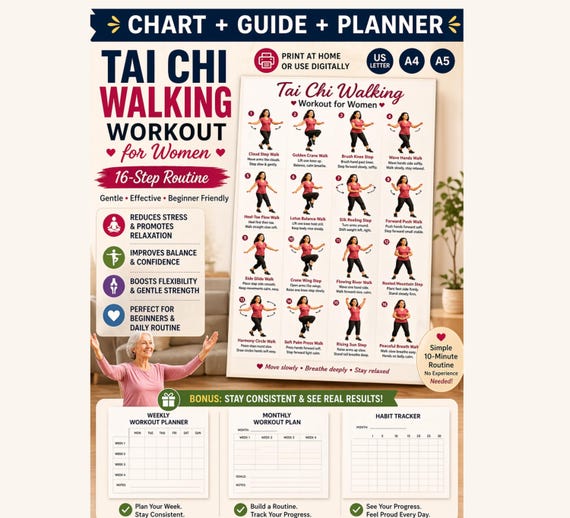
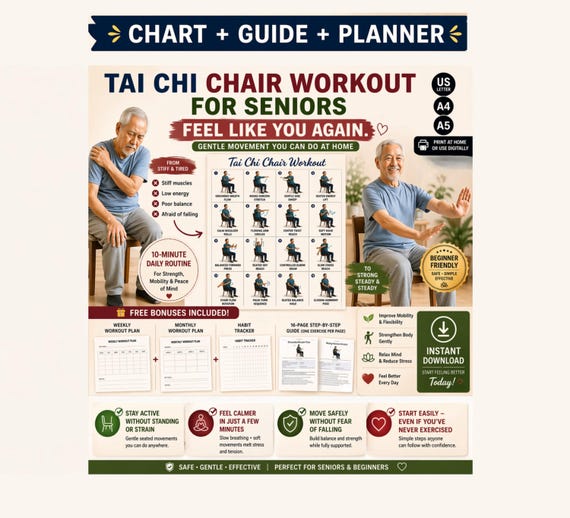
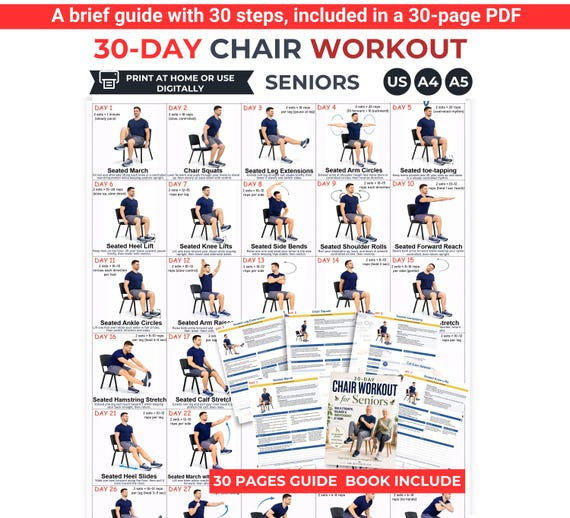
Bring the actual document rather than a mockup
Product photographs often show only selected pages, and decorative displays can hide small instructions. Open the purchased PDF or the complete preview available to you. Record the filename, edition and relevant page numbers. If the download contains several formats, select the one you actually intend to consult. Check that the file opens offline if you will bring a device. A printed excerpt can help, but include any surrounding instructions needed to understand it. Do not remove qualifiers or safety notes from the excerpt. The person reviewing the page should be able to see the information that prompted your question.
Suppose your question concerns an arrow on file page seven. Save that page with its title and the preceding instruction page, rather than bringing a screenshot cropped to the arrow alone. Write file page seven in your notes. If printed numbering differs, record both numbers so you can locate the same material during the discussion.

Separate what you know from what you assume
Make two short lists: clearly stated on the page, and not clear to me. The first might include the document's own labels or the fact that it contains a calendar. The second might include an unexplained symbol, missing starting position or a schedule that you do not know how to interpret. Do not fill gaps with advice found in a different product. Different documents may use the same term for different structures. Keeping assumptions separate allows the professional to see the actual uncertainty. It also prevents you from presenting an invented interpretation as something the seller explicitly instructed.
For example, write: the page labels three blocks; I do not know whether the blocks are alternatives or a sequence. That wording identifies a document question. If you instead write that the routine requires all three blocks, you have already chosen an interpretation. Bring the unresolved version and ask what information is missing before deciding how to use it.
Prepare relevant context without oversharing publicly
Any personal context requested by the professional belongs in the appropriate private conversation. A public product review or a shared planner is not the place to disclose sensitive details. You can use the planner to remind yourself of practical constraints, such as difficulty reading the page on your device or an existing instruction you need clarified. Let the professional specify which personal information matters for their assessment. Do not create a self-assessment checklist from generic internet advice and treat it as a substitute for that conversation. The goal is to make your questions organized while leaving individual interpretation with the person responsible for it.
A private preparation note might say: ask about the instruction already given at my previous appointment; explain that the print is hard to read; bring the relevant document. Those prompts help you remember the topic. They do not need to include personal details in a file you later email to a seller about a broken download.
Use questions that expose the resource limits
Ask what the page can reasonably help you do, what it does not explain, and whether any part requires clarification before use. A visual chart might function as a reminder only after an instruction is understood. A calendar might be useful for recording arrangements while its suggested pattern is irrelevant to you. These possibilities are questions, not predetermined conclusions. Ask the professional to identify ambiguous wording or missing context in the document. If they recommend a different reference, record the reason rather than assuming all similar-looking charts are interchangeable. One person's advice should not become a universal annotation on a shared copy.
Try questions such as: Which part of this page needs explanation? Is this document only a reference in my situation? What should I record for our next conversation? Avoid asking for a simple endorsement badge for the whole bundle. A useful answer may be narrower, conditional or a recommendation to set the resource aside.
Record advice with its context intact
Use a separate notes page for individual guidance. Label it with the discussion date and the professional's role, and preserve any conditions attached to their comments. Do not overwrite the original printable as though the seller supplied the new instruction. If you take notes in shorthand, check that you understand them before leaving the conversation. A phrase remembered incompletely can be misleading later. If written guidance is supplied, keep it together with your notes and identify which document takes priority. Do not copy a private instruction into a public article or another person's planner as general advice.
A fictional record might say: discussion about reference page seven; clarification supplied separately; question to revisit before changing the existing arrangement. That note preserves the scope without inventing specific exercise directions. If something remains unresolved, label it unresolved. The blank is more honest and more useful than trying to reconstruct an answer from memory afterward.
Make the next administrative step visible
End your preparation process by identifying what happens to the documents after the meeting. You may need to archive a confusing page, request a clearer file from the seller or keep the reference alongside individually supplied guidance. These are organizational steps, not an exercise progression. Put the next question where you can find it again. If the professional advises against relying on a document, record that privately and avoid leaving it in the active set without explanation. The value of the conversation is clearer understanding of your situation, not producing a full calendar that appears impressive to someone reviewing your binder.
For example, your next-step note could be: ask seller for a legible edition; preserve the original file; keep the professional's written guidance in a separate folder; bring the unresolved symbol question to the planned follow-up. Each action has a clear purpose. None requires you to fill a blank day or continue a chart merely to demonstrate commitment.
Bring complete pages, clear questions and a separate place for individual advice. A printable can support a conversation without becoming personalized guidance on its own.
Written for general information by The Better Plans. Exercise and wellness content cannot diagnose a condition or replace individual professional advice. The Better Plans also sells digital products on Etsy, but this article is free to read and requires no purchase. Read our editorial policy or send a correction.