THE BETTER
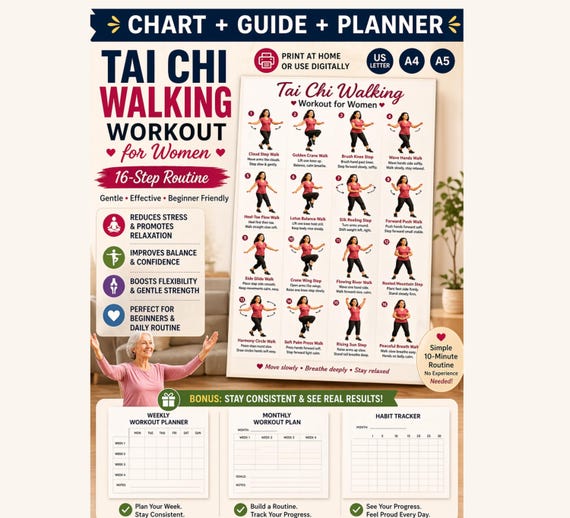
A Tai Chi-inspired chart may show a sequence across rows, arrows or numbered panels. The attractive arrangement can make the order look obvious until you try to explain where one panel ends and another begins. Rather than guessing the missing instruction, inspect the document and prepare a precise question. This article focuses on that reading process. It does not teach Tai Chi technique, assess a movement or prescribe practice. You can use it to distinguish a page-layout problem from a question that needs qualified individual guidance, while keeping the original chart intact and your own interpretation clearly labelled.

Confirm what the chart calls itself
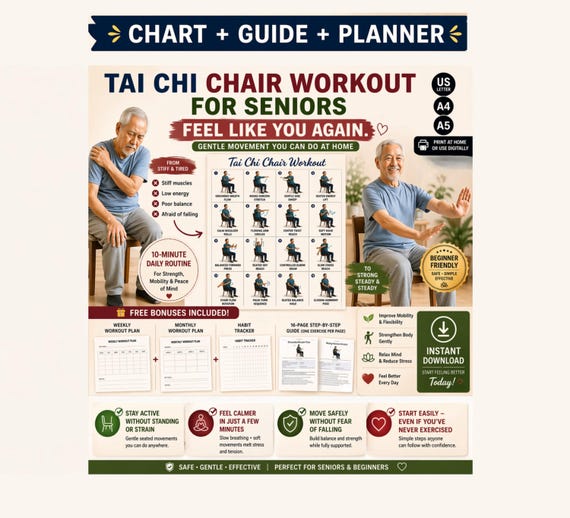
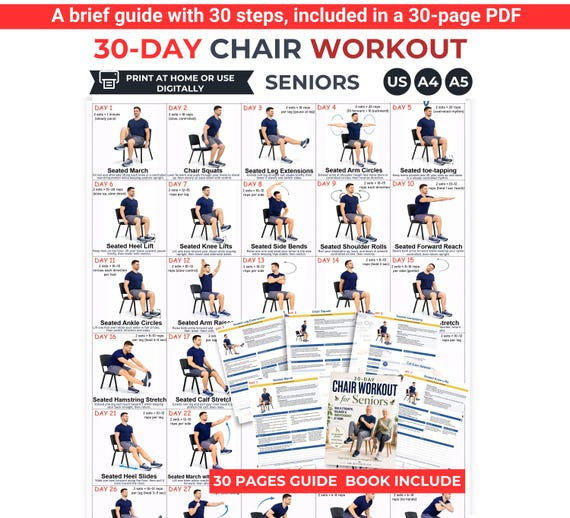
Read the title, subtitle and instruction text before describing the resource to someone else. A page may call itself inspired movement, a reference chart or a sequence overview. Preserve that description rather than upgrading it to a comprehensive lesson or calling it an authentic style without evidence. Product language and document language may differ; note the difference if it matters to your question. The chart's own description helps establish what information it claims to provide. It does not prove that it is sufficient for learning. Record the creator, filename and page number so a clarification request points to a definite resource.
For a fictional chart titled Tai Chi-Inspired Reference Sequence, your note should retain the word inspired. A question could be: does this reference have a separate instruction guide? That is clearer than asking why a supposedly complete course lacks demonstrations. Accurate labels keep the conversation grounded in the document you actually have.
Map the visual reading order
Identify numbers, arrows, row headings and continuation marks. These are clues to how the page is read, not proof of how a movement should be performed. Write a neutral panel map using the labels already present. If the first row reads left to right but the next row appears to reverse direction, inspect whether an arrow explains the transition. If there is no clear transition, record the ambiguity. Avoid assuming that a grid always follows ordinary text order. A chart may group alternatives, stages or references, and the creator should explain which organization is intended.
Imagine numbered panels one, two and three followed by an unnumbered row. Your question could be: does the second row continue the sequence or show separate references? Include a screenshot of the whole row with its heading if contacting the seller. Cropping away the labels can make the ambiguity harder to understand.

Separate panel position from movement direction
The position of an image on the page and the direction indicated within the image are different kinds of information. A panel placed on the right does not establish which side of the body is involved. A mirror-like illustration may also need an explicit orientation label. Read any left, right, front or side wording rather than inferring orientation from the person's appearance. If the chart does not explain its perspective, list that as a question. Do not add your own physical direction to the original artwork. A neat annotation can become misleading when it looks like part of the creator's instruction.
A useful fictional question is: is the figure shown from the viewer's perspective, and where is that convention defined? That asks about the document. If you need to know how an instruction applies to your own movement, seek appropriate guidance rather than resolving it by flipping an image or following whichever direction appears visually intuitive.
Look for transitions, not only endpoints
A sequence can include recognisable poses while leaving the connection between them unexplained. Identify whether each panel names a starting position, a change or an endpoint. Do not fill a missing transition with a movement borrowed from another chart. Similar names do not establish identical instructions. Mark the boundary where the information becomes unclear and ask whether another page, demonstration or guide supplies the missing explanation. A still picture can communicate a particular view, but a reader may need additional information. Recognizing that limit is more useful than trying to infer an entire motion from the visual gap between two illustrations.
For instance, note: panel four has a caption; panel five shows a different position; transition text not located. Then ask where the transition is described. This is a specific document question. It does not claim the page is wrong, and it does not invent a bridging action simply to make the sequence appear complete.
Distinguish file questions from instruction questions
A missing page, blurry label or broken download is a file question for the seller. An unclear definition may also be resolved by the creator. A question about technique, individual suitability or modification belongs with a person qualified to address it. Keep these categories in separate parts of your notes. Otherwise, a customer-service reply about what is included can be mistaken for an individualized assessment. A seller confirming that a guide has ten pages does not mean every reader should follow those pages. The distinction helps you direct the question effectively and interpret the answer within its actual scope.
A fictional two-column note could list file issue: row caption unreadable, and instruction issue: I need help understanding the transition. Send the first with the filename to the seller. Bring the second, with the complete document, to an appropriate professional. Avoid asking one person to supply a reassuring answer beyond their role merely because both issues concern the same page.
Keep clarifications traceable
When you receive an answer, record who supplied it, the date and the exact question it addressed. Keep the original chart unchanged and place your note beside it. If the seller supplies a revised edition, store both copies with clear filenames until you have verified which one you intend to consult. Do not merge answers from different documents into a single unlabeled interpretation. If an answer leaves part of the question open, record the remaining uncertainty. Traceable notes help you avoid presenting a personal explanation as official instruction when the chart is later shared or revisited.
An example note could read: creator confirmed second row contains alternatives; perspective question remains unanswered; revised file saved separately. This summary preserves what is known and what is not. It is more reliable than writing alternative row directly onto every printed copy without retaining the source or assuming the answer resolves the entire resource.
Decide whether the chart serves your reading purpose
After clarification, return to the purpose for which you opened the chart. If you wanted a visual reference to material already understood, it may be useful once the order is clear. If you wanted a complete explanation and the chart supplies only labels, a different format may be needed. That is a document-use decision, not an assessment of exercise effectiveness. A resource does not become suitable simply because all the panels can be numbered. Keep unfamiliar instructions separate from your active references until their role is understood. Clear questions are valuable even when they lead you to set the page aside.
Your final record might state: sequence order clarified; full instruction still needed; keep this file as an archived reference rather than an active reminder. Another reader might make a different decision based on their context. Do not turn your personal decision into an endorsement or rejection for everyone. The useful outcome is a precise understanding of the page's information and limits.
Use the chart’s labels to map its sequence, preserve missing information as questions and direct file issues and individual instruction questions to the appropriate people.
Written for general information by The Better Plans. Exercise and wellness content cannot diagnose a condition or replace individual professional advice. The Better Plans also sells digital products on Etsy, but this article is free to read and requires no purchase. Read our editorial policy or send a correction.