THE BETTER
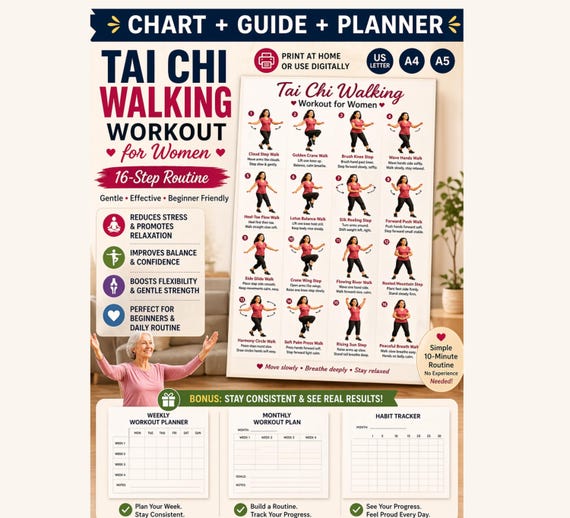
Tai Chi walking charts often compress several visual ideas onto a single page. That makes them handy as reminders, but a small illustration may not fully explain timing, weight transfer or whether the action suits you. Here is a calm way to examine one before using it.

Follow the sequence with your eyes first
Read the title and legend, then trace each numbered step from start to finish without moving. Notice foot placement, arrows, hand position and whether the figure changes orientation. A mirrored illustration can be confusing if it is unclear which foot moves first. Zoom into the original file where possible.
If the chart shows a movement you have never learned, treat it as a visual reference rather than complete personal instruction. A short product video can show presentation style, but a promotional clip may not show every detail. Ask for clarification or use qualified instruction when a step is ambiguous.
Check where the chart will live
A wall chart is useful only if you can read it from where you stand. A page that looks sharp at phone zoom may become small at A5 size. US Letter or A4 can provide more room, while a tablet can let you enlarge a portion of the diagram. Match the medium to the setting.
If you use a printout, place it where looking at it will not require twisting repeatedly. Leave a clear area around the feet. A chart is easier to use when you can stop, look, then resume rather than trying to read tiny labels while moving.

Keep expectations grounded
A chart can support remembering a sequence; it cannot evaluate posture, balance or individual risk. The CDC includes balance activities in its recommendations for older adults, but that does not mean any particular Tai Chi graphic is the right exercise for you.
If you feel unsteady or have a condition that affects your balance, seek appropriate individualized advice. Choose a reference that explains its illustrations clearly and allows a comfortable pace. The goal of reading the chart is to reduce guesswork, not to complete every pictured step regardless of comfort.
Trace the route before taking a step
Place the chart at a comfortable viewing height and identify where the numbered sequence begins. Follow any arrows with your eyes while remaining still. Does a drawing face toward you in one frame and away from you in another? If so, decide whether the figure has turned or the viewpoint has changed. A visual sequence can compress several moments into a small area, so a pause for interpretation is useful.
Notice the difference between a direction arrow and a decorative line. If the legend defines arrows, use that definition rather than guessing. Some charts emphasize foot placement, while others highlight the whole body's shape. If there is no legend, examine whether the accompanying guide explains the symbols in more detail.
Try to describe each step in plain words without moving: starting foot, direction, end position. If you cannot do that from the page, the chart alone may be a reminder for someone who has already learned the sequence rather than a complete lesson for a new learner. Seeking clearer instruction is a sensible response, not a failure to understand.

Separate the chart, guide and planner
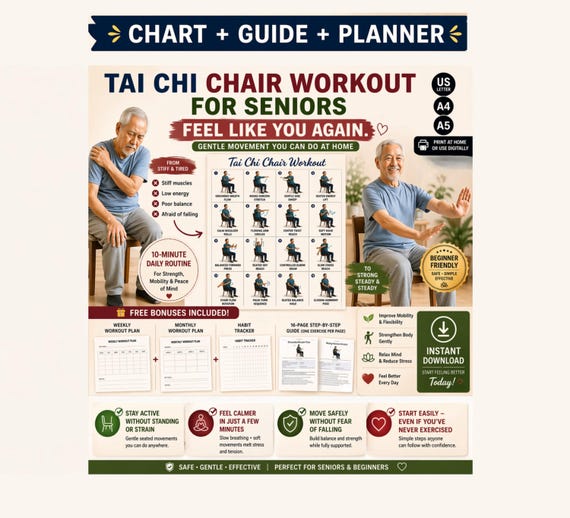
A bundle might include a one-page walking chart, several guidance pages and a tracker. They serve different purposes. The chart makes the sequence visible at a glance; a guide may explain details; a planner records when you intend to revisit the material. The word complete in a title does not specify which role each delivered PDF plays.
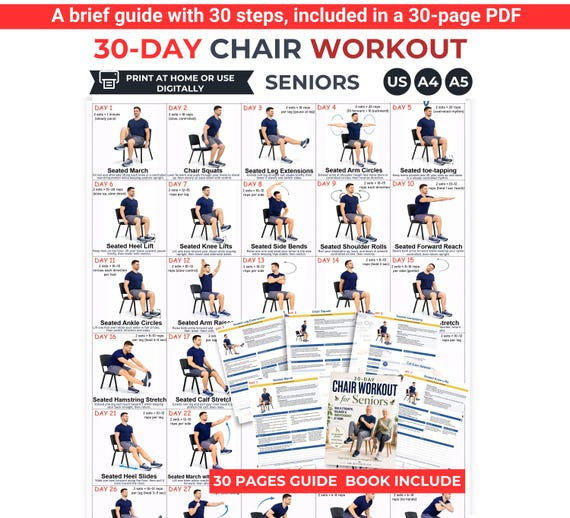
Inspect a preview of each type. Does the longer guide address what the poster leaves out? Are its labels readable in A4, A5 or Letter? If the smaller size makes an arrow indistinct, use a larger print or a zoomable screen. A weekly tracker can be useful for remembering practice, but it cannot resolve an unclear foot diagram.
Count files and pages from the written listing, not from the number of gallery photographs. A poster shown in several styled rooms remains the same poster unless the file description says otherwise. Before buying, confirm the current download and any size variations on Etsy.
Choose a setting that supports attention
A walking pattern requires room for the direction shown in its steps. Look at your actual floor area and potential obstacles before setting down the chart. A rug edge, small table or cord may be easy to miss while focusing on where a foot goes. Put the page where you can read it while stopped, then move only when you understand the next action.
The chart's position can change usability. On a wall, small print may be difficult to read from several feet away. On a tablet, zoom helps with detail but may show only part of the sequence. You may want a full-sheet print to see the order and a separate enlarged view for fine labels.
A promotional video can show how the printable looks, but its automatic loop is not an instructor who can respond to your balance. If a step feels uncertain, pause rather than trying to match the clip's speed. A person who needs individualized support should discuss suitable activity with a qualified professional.
Use the reference for a realistic purpose
A chart can save you from repeatedly recalling the order of familiar movements. It can make a routine easier to revisit and give you a visual anchor. It cannot guarantee better balance or evaluate technique. CDC guidance includes balance activity for older adults, but no particular chart is a personal prescription.
A modest first use might be reading and identifying the symbols. Another might involve discussing the page with an instructor or clinician who knows your circumstances. A tracker can then record what resource you consulted and what questions remained. None of these steps requires you to complete an entire printed program on its first day.
When you finish examining the chart, ask whether you can explain the start, direction and finish of each step you intend to use. If you cannot, seek a clearer source. A resource has earned its place when it reduces uncertainty instead of adding it.
Treat the chart as a readable reference and seek instruction when the movement itself is unclear.
Further reading
These public resources provide context for the general activity or symptom guidance mentioned above.
Written for general information by The Better Plans. Exercise and wellness content cannot diagnose a condition or replace individual professional advice. The Better Plans also sells digital products on Etsy, but this article is free to read and requires no purchase. Read our editorial policy or send a correction.