THE BETTER
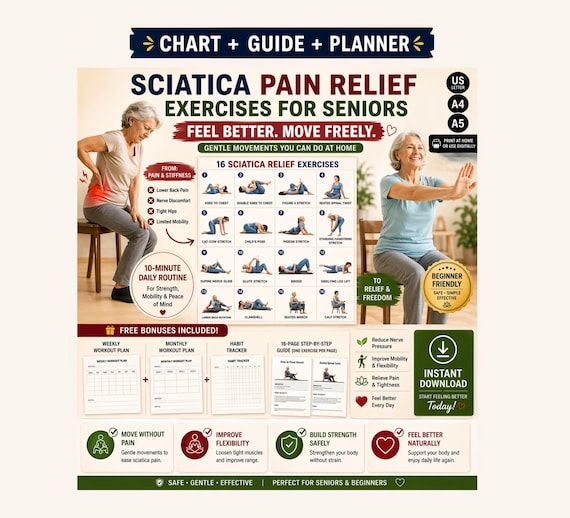
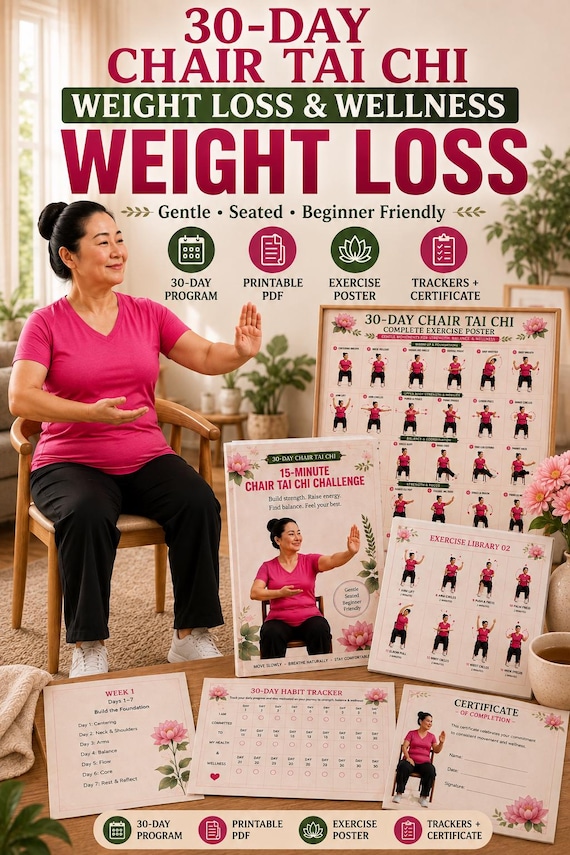
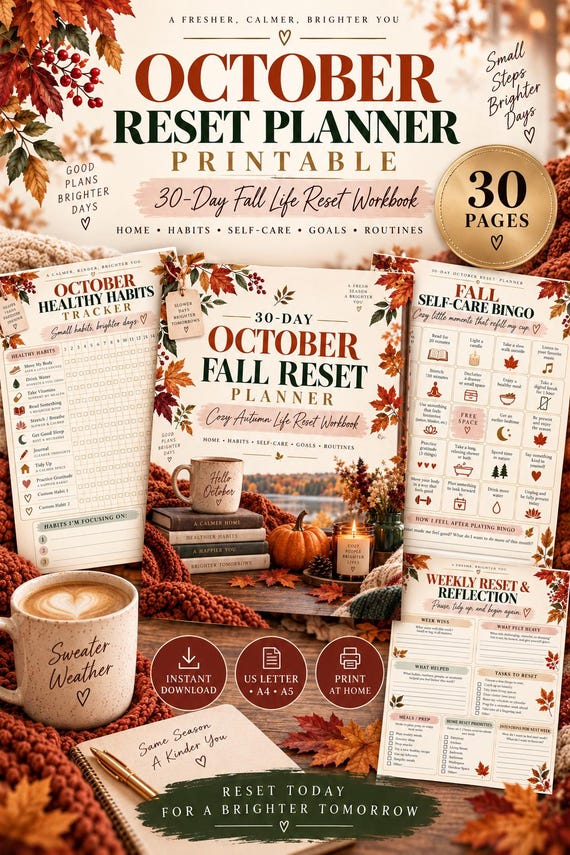
A printable bundle may contain a workout chart, a weekly planner and a habit tracker. They look connected, but each answers a different question. Knowing the difference helps you use the pages without expecting a tracker to teach an exercise.
The instruction page answers how
An exercise guide should describe movements clearly enough to follow or review a technique already learned. It may show a starting position, an illustration and a short cue. A wall chart often condenses that information, so inspect whether the chart alone gives you enough context.
If the action itself is unclear, a completed planner will not solve that gap. Look for a fuller guide, seek qualified instruction or ask the seller what the file contains. When a listing includes both a poster and several guide pages, check which one provides the detail you need.
The plan answers when
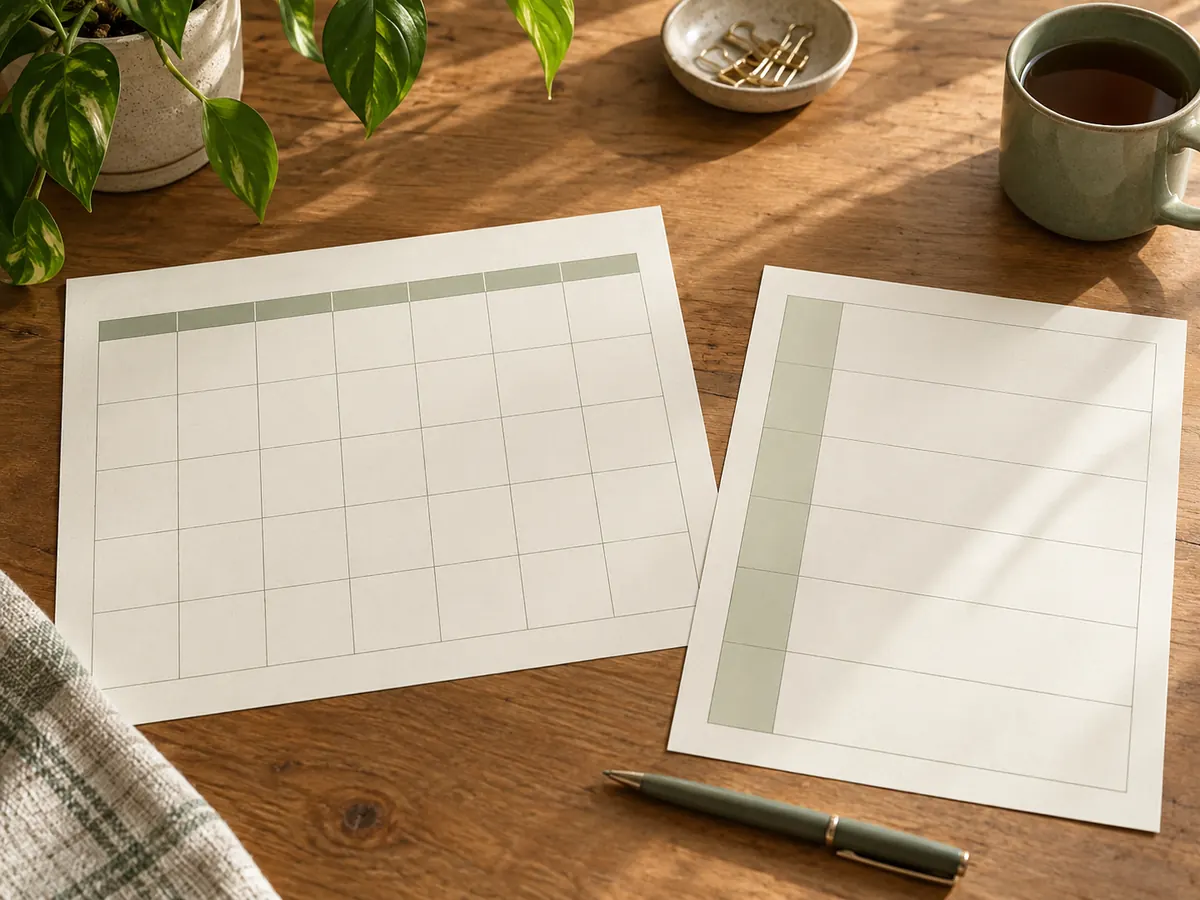
A weekly or monthly planner can hold dates, intended sessions and notes about time or location. It is useful for turning a vague wish into a practical appointment. It does not diagnose readiness, decide intensity or replace advice specific to your health.
A blank template may work across several routines. A pre-filled 28-day schedule makes more decisions for you, which can be convenient if the steps are appropriate. Compare the structure with the flexibility you prefer before choosing a product.

The tracker answers what happened
A habit tracker is a record of participation. It can show patterns: perhaps a morning slot works better than an evening one, or a printed page is easier than a phone. It cannot prove that an exercise caused weight loss, pain relief or a clinical improvement.
Use a tracker as feedback, not a score. Add a notes field for questions and changes. If a day needs to be skipped, leave it blank or write the reason; the useful information is what helps you plan thoughtfully next time.
Start by naming the question each page answers
An instruction chart answers how a movement is pictured. A weekly plan answers when you intend to revisit an activity. A habit tracker answers whether you recorded it. These functions overlap in a bundle photograph, but they are not interchangeable. A row of checkboxes cannot teach a new seated exercise, and a drawing cannot tell you whether Tuesday's time slot fits your week.
Pick up each preview and imagine using it alone. If the instruction page disappeared, would the planner explain the movement? If the calendar disappeared, could you still learn from the guide? This exercise reveals which component has real value for your purpose.
Some listings call an entire collection a program even when its components are a poster, a blank calendar and a progress sheet. That may be useful, but it is worth seeing the actual page types before you decide.

Evaluate an instruction sheet on its own
A movement page needs a legible starting point, a clear action and enough detail to distinguish one step from the next. Look for numbered panels, meaningful arrows and captions that remain readable at your planned print size. A beautiful photograph of a poster does not establish those qualities.
If a chart is designed as a quick reference, it may assume you have learned the movement elsewhere. That is not a flaw if the listing is clear about the role. It becomes a problem when a buyer expects complete instruction from a set of tiny figures. Ask whether a multi-page guide is included if you need more explanation.
Keep the page where you can pause to read it. A visual guide cannot correct technique or decide whether an exercise suits you. If those questions arise, seek appropriate professional instruction rather than trying to extract more from a small printable than it can provide.
Use the planner as a decision aid
A useful planner shows the commitments and available windows around a routine. Leave room to change a date, note the specific page you intend to consult and record any equipment or space requirement. An empty box is an invitation to decide, not an accusation that you failed.
A fixed 28-day or 30-day layout can reduce decisions for someone who wants a ready-made sequence. Yet it may feel restrictive if the dates do not fit real life. Check whether the product offers an undated version or blank spaces for adjustments. A schedule printed in advance does not know your health needs or appointments.
Write enough to find the activity later: page number, chart name or source. A label such as workout may be too vague. If the plan is based on professional advice, record those specific instructions rather than replacing them with a generic template.
Read tracker marks with care
A tracker can show how often you recorded an activity. It cannot tell you why your body felt a particular way or whether the activity produced a health outcome. A streak may be satisfying, but it does not justify continuing a movement that causes concerning symptoms.
Add a brief note when a session was changed, paused or skipped. The reason might be schedule, unclear instructions or a different activity taking its place. These details are more useful than simply coloring every square. If you are tracking symptoms for a clinician, follow the fields they ask you to record.
Review the page after several weeks. Did the tracker help you notice a practical pattern, such as a time slot that works? If not, simplify it. The purpose of the page is to support decisions, not to become another task that competes with moving.
A small example using both sheets
Imagine you want to keep a chair routine in view for a month. On the planning page, mark the sessions you intend to try this week and where you will find the instructions. On the habit page, mark only what actually happened. A scheduled Tuesday session might move to Wednesday; keep the original plan visible and mark the real date on the record.
After several weeks, the comparison tells you whether your chosen times were realistic. It does not measure the quality of a movement or explain a symptom. Keep the fields simple enough that recording does not become the hardest part of the activity. If one page is enough for your needs, you do not have to fill both simply because a printable bundle includes them.
Instructions teach or remind; planners schedule; trackers record. Pick the page you actually need.
Written for general information by The Better Plans. Exercise and wellness content cannot diagnose a condition or replace individual professional advice. The Better Plans also sells digital products on Etsy, but this article is free to read and requires no purchase. Read our editorial policy or send a correction.