THE BETTER
It is easy to spend an intended planning window browsing covers, opening several PDFs and reorganizing a binder without answering the question that brought you there. A time box gives this administrative work a defined boundary. The boundary applies to planning, not to how quickly you should perform movements or learn a technique. Use it to choose a clear task, read the relevant instructions and record any questions before moving on. This guide shows how to prepare a focused reading process and finish with a usable reference rather than an unfinished pile of attractive pages.
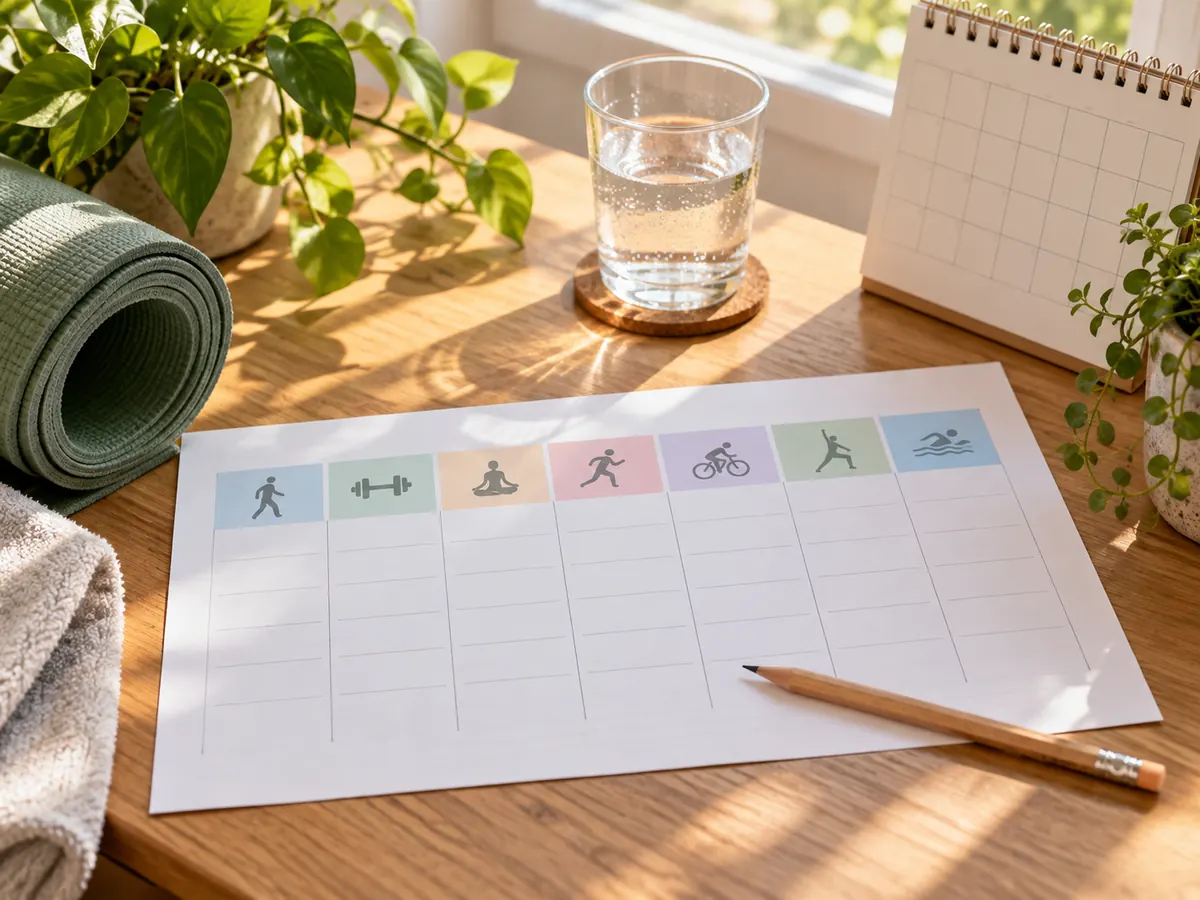
Give the planning window one concrete outcome
Choose an outcome you can recognize, such as locate the current instruction page and identify its setup information. Avoid a broad task like organize fitness life. Write the outcome on a scratch sheet before opening your files. If you have several unrelated tasks, select the one needed for your next planning decision and leave the others in a backlog. This keeps browsing from becoming the default activity whenever the first document contains an unanswered question.
Set a planning boundary that fits your schedule and use an ordinary reminder if helpful. The reminder is a cue to review your administrative progress, not a command to finish understanding something by a deadline. When it arrives, you may have a complete reference or an unresolved question. Either can be a useful outcome if documented honestly. Do not treat the time box as permission to skip instructions because the reading task has taken longer than expected.
Read the real instruction page before comparing designs
Open the actual instructional content, not only a cover or gallery mockup. Identify the title, page number and any related guide. Scan for starting position, direction, ending position and written notes, without assuming an illustration contains every necessary detail. If a picture is too small, use the document's zoom or find a larger readable print. The reading task should establish what information is present, not fill absent information from an attractive visual.
Keep product browsing in a separate task if you are still choosing a resource. Comparing downloads and reading an active instruction are different jobs. When they share one window, every uncertainty can lead to another shopping tab instead of clarification. Write down the specific missing detail first. You may need a clearer copy, a full guide or appropriate individual instruction rather than another bundle. A focused reading window helps you distinguish those needs before spending time or money.

Use a questions margin instead of guessing
As you read, place questions beside the relevant reference code. Write what is unclear in direct language: which file includes the explanation, does the page show the whole sequence, or where is the setup described. Do not write a guessed answer in the same color as the original instructions. Your annotation should preserve the difference between source information and your question. If you later obtain clarification, record where it came from and the date.
Group questions by the person or document that can answer them. A seller can explain a file list or missing download. A fuller instruction guide might explain a symbol. Individual suitability and technique questions may require qualified guidance. The purpose of the planning window is to identify these routes, not to settle every question alone. An unresolved item can remain visible while other paperwork is organized. Completing the timer does not make an unclear movement understandable.
Prepare a reference that can be found again
When you locate the right page, note its filename, printed title and PDF page number. If you print it, verify that important wording is readable at the chosen size. If you keep it on a device, save it in an identifiable active folder or bookmark the correct document location. Do not rely on a viewer's last-opened state if the device is shared. A reference should be retrievable without repeating the entire search during the next planning window.
Leave a simple entry on your current planner: reference code, location and unresolved questions. Avoid copying a whole instruction page into a small calendar box. The calendar can point to the detail, while the detail remains legible in its proper format. This reduces the chance that an abbreviation becomes the only instruction you consult later. If you make a shortened prompt card, label it as a reference to the complete instructions rather than a standalone replacement for them.
Stop administrative expansion when the boundary arrives
When the reminder occurs, write one of three outcomes: ready reference, question identified or task needs another planning window. Close unrelated tabs and put unused downloads back in their library location. If you found other tasks, move them to a backlog with a specific description. Reorganize all PDFs is too broad; rename two duplicate files is manageable. This closure prevents a focused reading task from silently turning into an evening of digital housekeeping.
Suppose you intended to find the current chart but discovered three similarly named files. Your outcome can be active version unresolved; compare revision labels next. That is more useful than selecting a file at random to satisfy the deadline. The time box helps you notice the blockage and choose a next administrative step. It should not reward haste. Keep actual activity planning separate from the timer used for document work, especially when questions remain about instructions or individual suitability.
Review whether the process reduced repeated searching
After several uses, ask whether the same question or file search keeps returning. Repetition can reveal a missing label, a poor storage location or an unclear reference. Improve that specific part of the system. If the reading task regularly exceeds the available window, narrow its outcome or arrange a different planning opportunity. Do not infer that you should skim faster. Some documents need fuller reading, and some questions need help outside the paperwork process.
Keep a small completed-task list only if it prevents duplicate work. A note saying active reference saved in blue folder can stop you rechecking the entire library tomorrow. It is not necessary to record every minute spent organizing. The useful measure is whether you can now locate the right instructions and recognize what remains unanswered. A good planning window ends with clarity about those two things, even when the next appropriate action is to pause and seek information rather than proceed.
Keep the backlog somewhere separate from the active instructions. That visual boundary makes it easier to return to one unfinished administrative task without reopening every question you collected during earlier browsing.
Time-box the administrative task, not understanding or physical activity. Choose one reading outcome, preserve questions and save an exact reference location. End the window with a documented next step instead of rushing through instructions to satisfy a timer.
Written for general information by The Better Plans. Exercise and wellness content cannot diagnose a condition or replace individual professional advice. The Better Plans also sells digital products on Etsy, but this article is free to read and requires no purchase. Read our editorial policy or send a correction.