THE BETTER
An equipment inventory is a record of what is available, where it is stored and what still needs clarification. It is not a shopping list disguised as a requirement to buy more. For printable workout planning, a small inventory can prevent choosing a page because its cover looks familiar while overlooking the actual equipment named in the instructions. This guide explains how to catalog your existing resources, distinguish similar items and keep uncertainties visible. It does not assess equipment safety, determine suitable loads or choose an exercise program. Those decisions need appropriate instructions and individual context beyond a list.
Start with the items you actually have
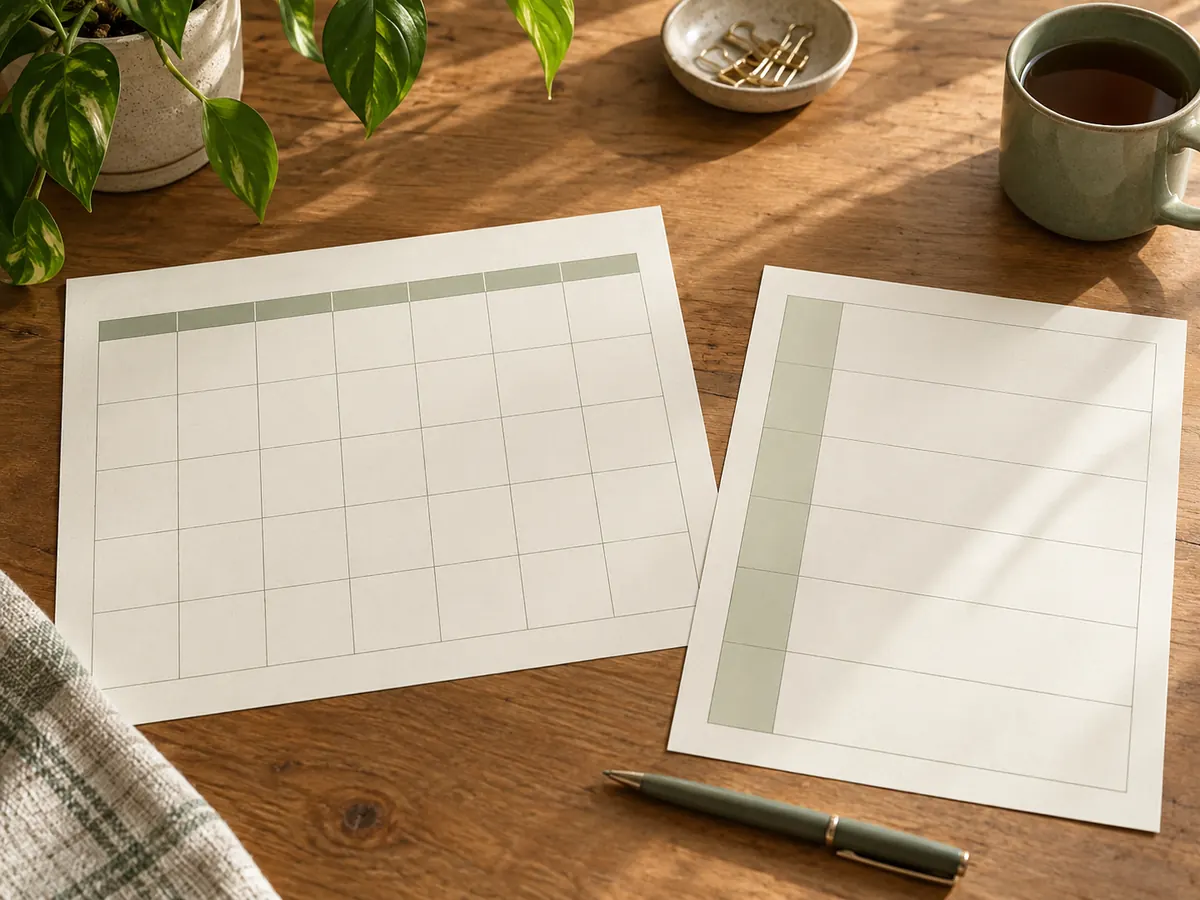
Gather information about existing items before opening a store or copying a generic equipment checklist. Give each item an inventory row with its name, identifying label and storage location. If the manufacturer provides a model or specification, copy it accurately and note where the documentation lives. Do not infer a specification from color or appearance. Two similar-looking objects can have different labels, and a planning record is more useful when it describes a verified item.
Use separate rows when items need to be distinguished. A pair of matching dumbbells can have one row if their labels and storage are identical. Two bands with different printed descriptions need separate entries. If an item has no readable identifier, write label unclear rather than inventing one. Put unresolved identification questions in an attention column. You can organize the collection without claiming that every object is already understood or suitable for a particular movement shown on a poster.
Record location and availability as different fields
Location tells you where an item belongs. Availability tells you whether it can be accessed for a particular planning window. A mat stored behind a locked office door has a location even when it is not presently available. An item shared with another person might be in the correct cupboard but reserved elsewhere. Keeping these fields separate avoids marking something missing when it is simply in use. Use simple availability labels such as accessible, shared or needs clarification.
For example, write tablet; hall drawer; shared with household; booking required. That row can help you plan how to read instructions without pretending the tablet is exercise equipment. Include supporting resources if they affect your setup: a document stand, a printer or a storage folder may be as relevant to planning as the items named on a chart. Label their role clearly so the inventory does not become a misleading list of objects required for every session.

Link inventory rows to the exact reference wording
When a printable names equipment, record the wording and page reference rather than silently substituting an item you own. A poster might say resistance band while a detailed guide names a particular arrangement. Your inventory can link to that guide and flag the question about whether your item matches. An inventory is not evidence that a substitute is appropriate. Leave unresolved matches visible and consult the relevant instructions or qualified guidance instead of turning a similar name into approval.
Create an equipment-reference column only for active pages. It might read named on chart RB-03; see instruction booklet page two. Do not fill it for every unused document in a large library. If several pages name the same resource, use their reference codes rather than pasting whole descriptions into the row. This provides a practical route from object to instruction. It also preserves the distinction between owning something and knowing how, or whether, to use it in a given plan.
Keep condition questions out of an automatic clearance box
Use an attention field for visible concerns or missing documentation, written as plain observations. A label is peeling or instructions not found is more useful than a green safe tick unsupported by an assessment. Follow the manufacturer's directions for care and inspection where available. Do not create a universal inspection rule from an online checklist, because different items can have different requirements. If you do not know how to resolve a concern, leave it unresolved in the record.
The planner should never make an item appear ready simply because its row is complete. Separate identification complete from appropriate for intended use. A fully documented object can still require a decision outside the inventory. If another person maintains shared equipment, record who can answer the question with their agreement rather than copying private contact information onto a public wall sheet. Keep notes specific enough to guide the next administrative step without implying that the inventory substitutes for proper equipment instructions.
Design a storage map that survives everyday use
Assign a usual home to each frequently referenced item and describe it in terms everybody using the inventory understands. Top shelf in hall cupboard is clearer than usual place. Put small accessories in labeled containers if that fits your space, and write the container location rather than listing an unreliable pile of loose objects. An inventory can reveal that the real planning obstacle is retrieval: the object exists, but finding it repeatedly interrupts the preparation process.
If a storage location changes, update the row before printing another copy. Place a revision date at the top of the inventory and remove outdated sheets from active folders. In a shared home, keep one source document and let other pages point to it. Avoid maintaining three separate inventories in three binders unless there is a clear reason. A correct short list is better than a detailed map that nobody remembers to revise after reorganizing a cupboard.
Review the inventory before making purchases
When a printable seems to require something absent, record the exact requirement and unresolved questions first. Do not assume a new purchase is necessary simply because a mockup shows additional accessories. Check the actual instruction pages and your intended use. The inventory can help you identify duplicate objects or supporting resources you already own. It cannot determine whether buying a different item will improve your results. Keep purchase decisions separate from catalog completeness.
At a periodic review, remove items no longer available, archive their documentation if needed and confirm the active storage locations. Ask which columns helped you find a resource or resolve a question. Drop columns that became guesses or were never consulted. The final inventory should let you answer what is this, where is it and what do I still need to clarify. Those three questions support sensible planning without converting your home into a showroom or making ownership seem like the objective of a workout system.
Inventory verified items, clear locations and unresolved questions. Link active references to the equipment wording they actually use, and avoid treating a completed list as a suitability assessment. The best inventory helps you prepare with what you have and identify what needs clarification.
Written for general information by The Better Plans. Exercise and wellness content cannot diagnose a condition or replace individual professional advice. The Better Plans also sells digital products on Etsy, but this article is free to read and requires no purchase. Read our editorial policy or send a correction.